
Wood furniture brings unmatched warmth and character to any space, but its final look depends heavily on the finish you choose and how well it pairs with your room’s paint colours. A thoughtful combination can make your interiors feel cohesive, modern and visually balanced, while the wrong pairing can throw off the entire aesthetic. This guide simplifies the process so you can confidently style any wood furniture piece.
Understanding Wood: Getting to Know the Material You’re Working With
1. What Makes Each Wood Type Look So Different?
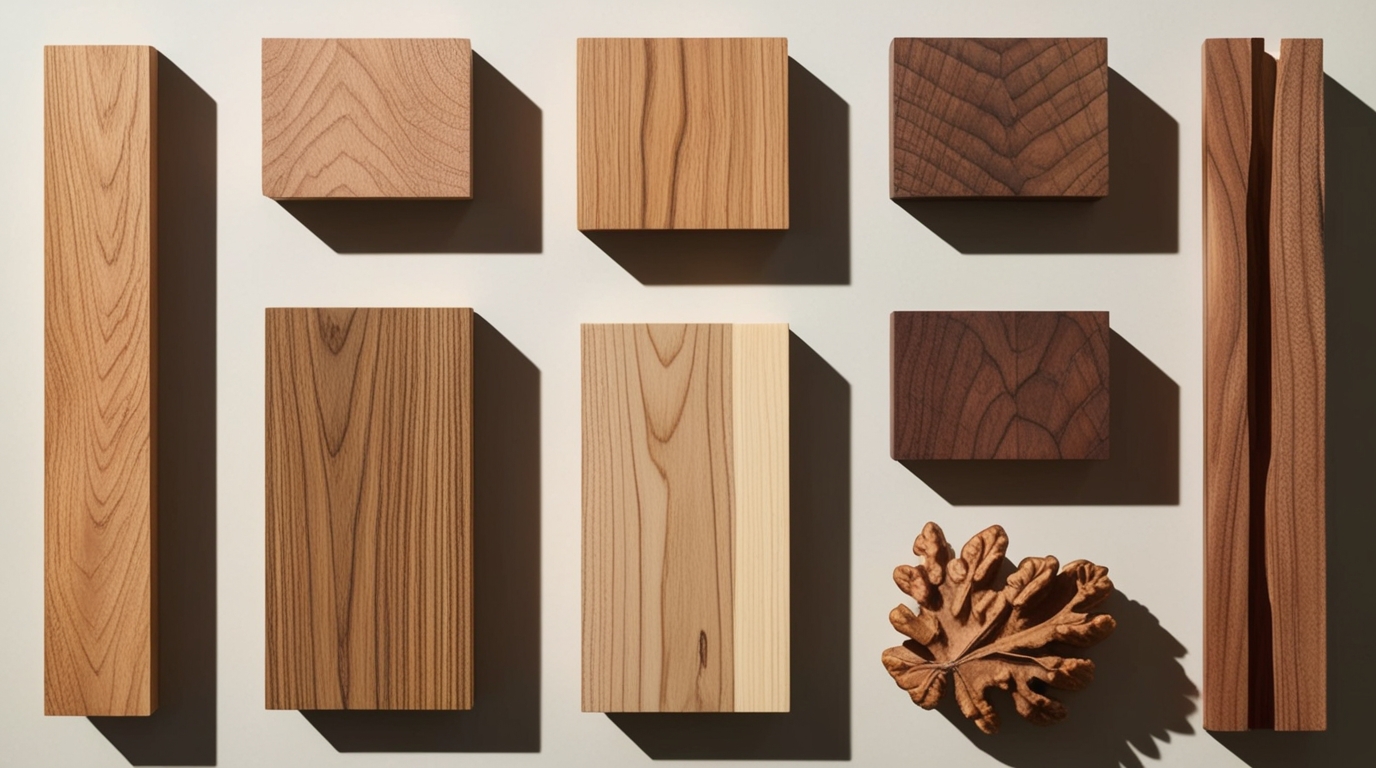
Each wood species has its own grain pattern, hardness and natural undertone, which is why oak, teak, maple and walnut all look so distinct even without any finish. These natural traits play a huge role in determining how the wood will respond to varnish, stains or paint, and how well it blends into your overall colour palette.
2. What Do We Really Mean by “Woods Furniture”?
“Woods furniture” simply refers to furniture made from any type of natural wood, whether it’s solid hardwood, engineered wood or wood veneer. Understanding what type you’re dealing with helps you choose the right finish and ensures you set realistic expectations for colour absorption, durability and appearance.
3. Why the Finish Can Make or Break Your Wood Furniture
The finish determines not just how the furniture looks, but also how well it holds up over time. A well-chosen finish enhances the wood’s beauty, protects it from wear and moisture, and makes it easier to integrate the piece into your design theme.
Matching Wood and Paint: The Combinations That Actually Work
1. The Golden Rules for Pairing Wood Tones With Paint Colours
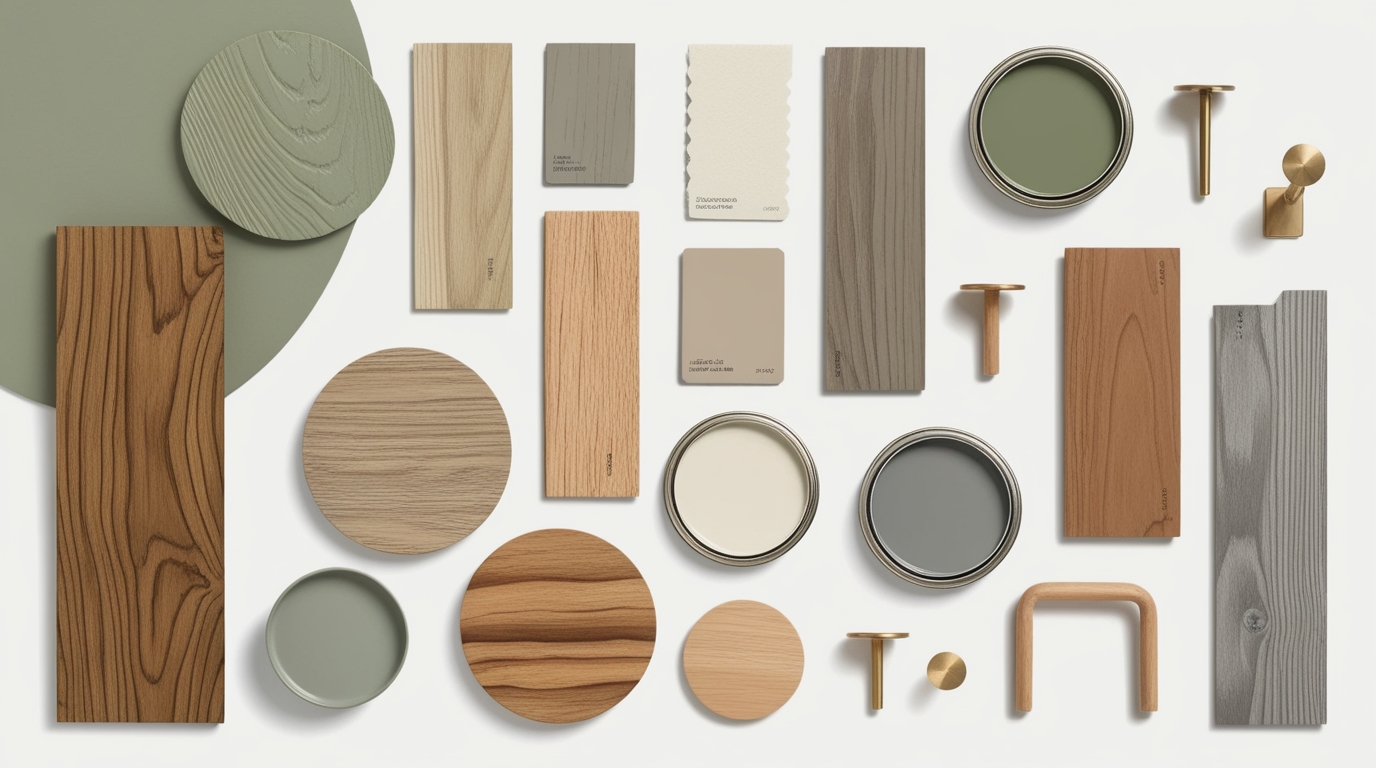
Pairing wood tones with paint colours becomes easier when you focus on undertones, contrast and finish sheen. When these three aspects align, your furniture blends seamlessly with the room instead of looking mismatched or visually heavy.
2. Tried-and-Tested Wood & Paint Pairings You’ll Actually Love
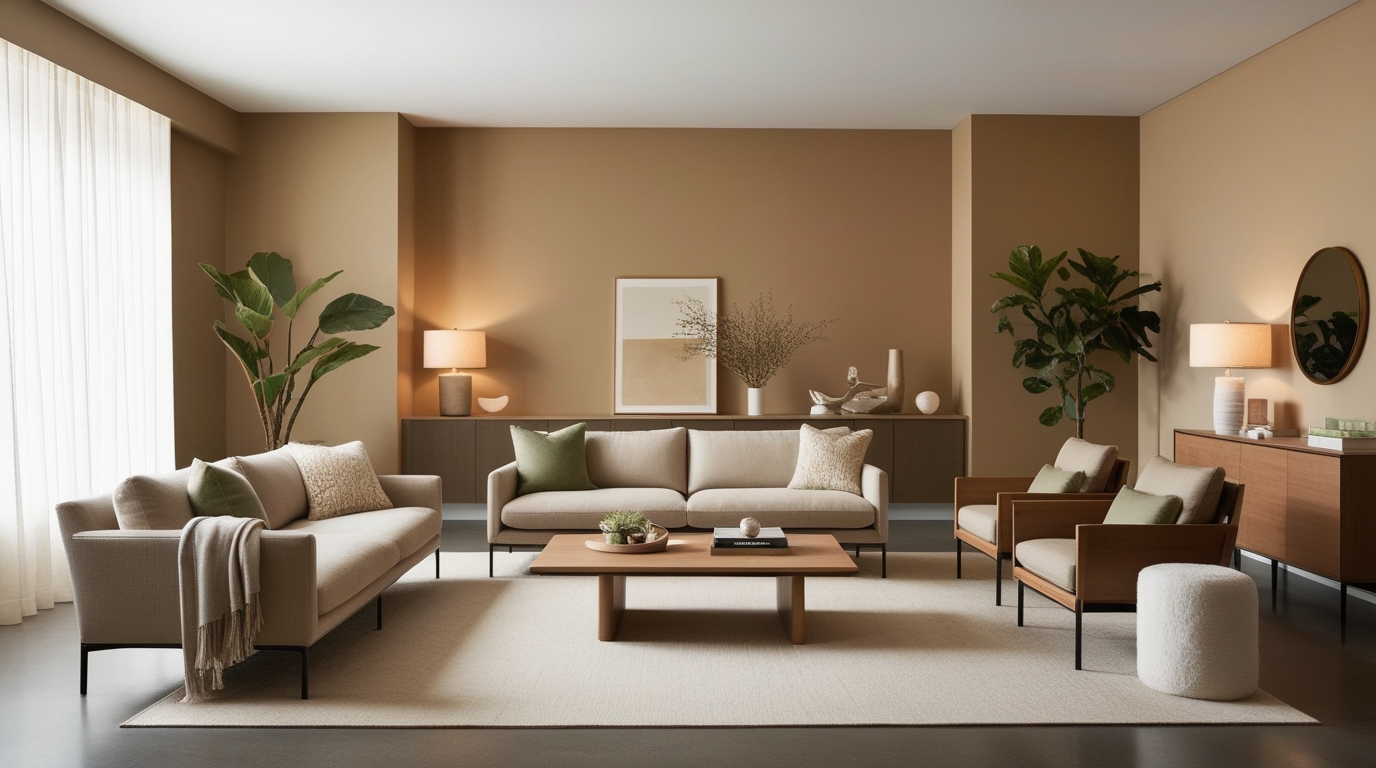
Light woods like ash and birch look beautiful against soft pastels, while mid-tone woods such as teak pair well with sage or charcoal for a balanced modern look. Dark woods like walnut and mahogany truly shine when placed against off-white or pale beige walls, creating an elegant contrast.
3. The Mistakes People Commonly Make (And How You Can Avoid Them)
A common mistake is matching wood tones too closely with wall colours, which makes the furniture disappear instead of standing out. Another is ignoring undertones—warm woods clashing with cool paints can disrupt the room’s harmony, so testing samples beforehand is essential.
Varnish vs Paint: Choosing What Works Best for Your Furniture
1. Why Clear Finishes Bring Out the Best in Natural Wood
Clear finishes like varnish, lacquer and oils enhance the natural grain, giving the wood depth and richness. They also add a protective layer that increases durability, which is especially useful for frequently used furniture pieces.
2. Why Paint Is the Perfect Reset Button for Wood Furniture
Wood Coating Paint allows you to completely transform the look of wood furniture, especially if the grain isn’t visually appealing or the original tone doesn’t suit your colour scheme. It also helps achieve a clean, modern aesthetic that complements contemporary interiors.
3. How to Decide: Keep It Natural or Go Colourful?
Your choice depends on whether you want to highlight the wood’s authenticity or introduce a fresh colour statement. If the grain is beautiful, keep it natural; if the piece feels outdated or mismatched, paint can instantly modernise it.
4. When Mixing Finishes Creates the Most Beautiful Results
Two-tone furniture—such as a natural wood top with painted legs—creates visual interest and blends classic textures with modern colour. This hybrid approach works especially well for dining tables, cabinets and desks where balance matters.
5. The Right Way to Prep, Prime and Finish Your Wood
Proper preparation ensures the finish lasts and looks flawless. Sanding, priming (for paint) and using thin coats allow the surface to absorb colour evenly and prevent peeling or patchiness over time.
Modern Trends: How Designers Are Styling Wood Furniture Today

1. Nature-Inspired Palettes That Feel Warm and Grounded
Earthy greens, warm neutrals and natural stone shades are becoming popular for pairing with wood furniture. These tones create a soothing, biophilic aesthetic that brings the outdoors inside.
2. Minimalistic High-Contrast Looks That Feel Fresh and Clean
Dark-stained woods paired with crisp white or charcoal-painted walls offer a modern, minimalistic look. This high-contrast combination works well in living rooms, home offices and dining spaces.
3. Two-Tone Furniture That Blends Style and Function
Designers love mixing painted surfaces with exposed wood elements to create depth and texture. Two-tone styles help furniture pieces stand out without overwhelming the room.
4. Bold Colour Pops That Make Wooden Pieces Stand Out
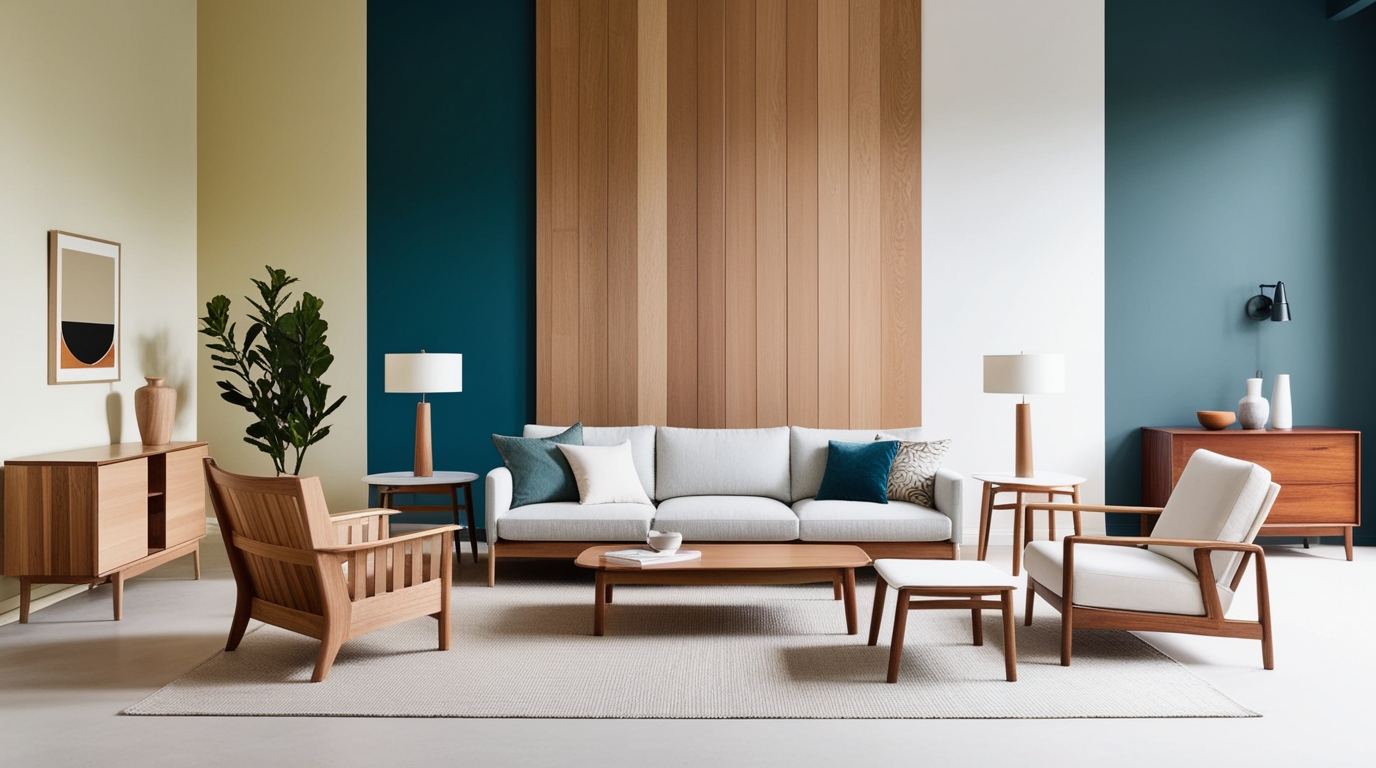
Vibrant shades like teal, mustard and terracotta are trending as accent furniture colours. Paired with warm woods, these shades become focal points while still maintaining balance.
5. Raw, Honest, Matte Wood Finishes That Feel Modern
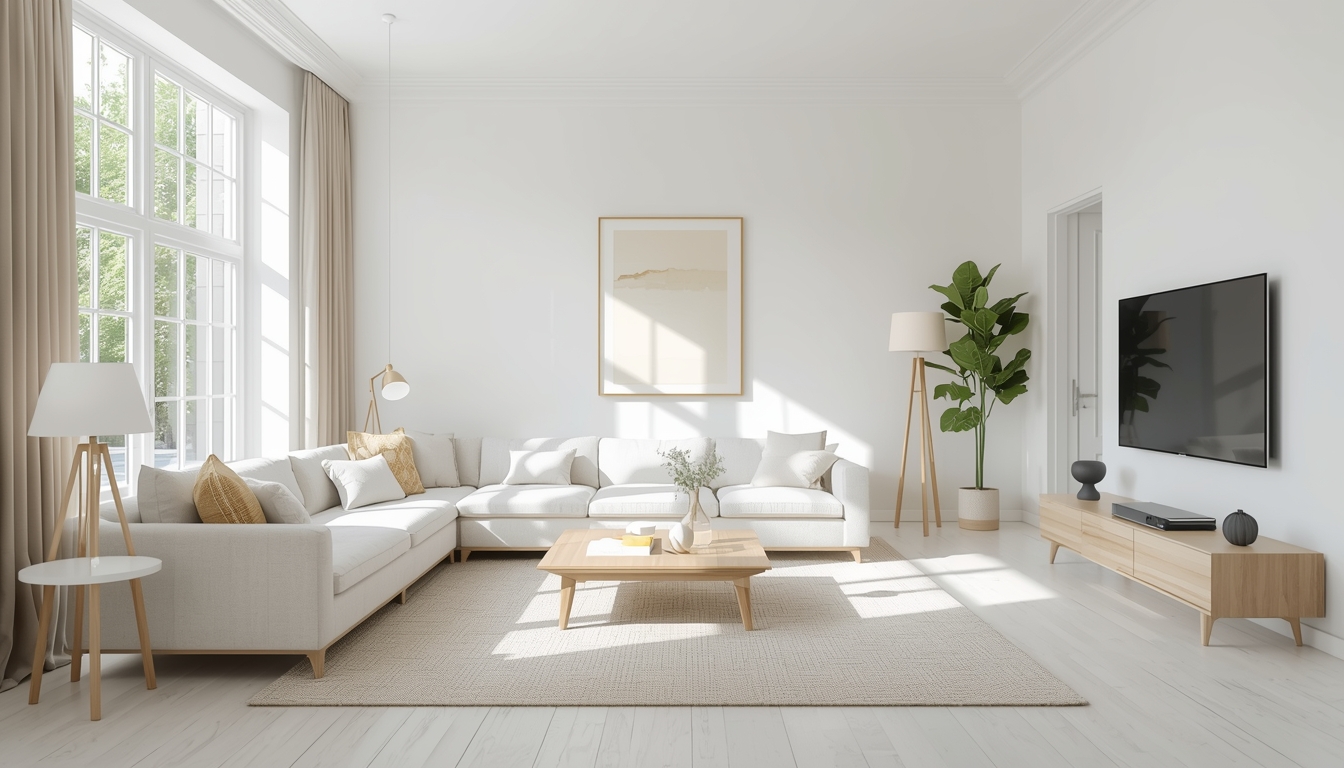
Low-gloss oils and wax finishes are gaining popularity because they preserve the natural look of wood. These finishes also complement minimalist and Scandinavian-style interiors beautifully.
Step-by-Step Guide: Your Fool-Proof Method for Choosing Wood Finishes
1. Start by Identifying the Wood Type
Knowing whether you’re working with hardwood, softwood, or veneer helps you choose the right finish and predict how the material will react.
2. Study the Tone and Undertone of Your Wood
Observing whether your wood leans warm, cool or neutral will guide your paint colour selection and ensure harmony in the overall look.
3. Decide What You Want the Furniture Piece to Do
Determine whether the furniture should blend seamlessly with your theme or stand out as a statement piece. This decision affects colour, sheen and finish type.
4. Choose Between Varnish and Paint
If the wood grain enhances your space, keep it natural with a clear finish; if you’re after a bold or cohesive colour story, paint is the better option.
5. Pick Paint Colours That Work With Your Wood’s Undertones
Matching undertones ensures your space looks intentional rather than mismatched. Warm woods pair well with earthy or neutral tones, while cool woods blend beautifully with greys and soft blues.
6. Always Test Before You Commit
Lighting can dramatically change how finishes and colours appear, so testing small patches helps you avoid surprises.
7. Apply the Finish or Paint the Right Way
Using thin coats and the right tools prevents drips, streaks and uneven surfaces, giving the furniture a smooth, professional look.
8. Maintain It Like a Pro
Regular cleaning, polishing and protecting the furniture from excess moisture or sunlight helps it retain its beauty for years.
Beautiful Furniture Starts With the Right Finish
Choosing the right wood finish and paint pairing is all about finding balance between natural texture and thoughtful colour selection. Whether you want your wood furniture to stand out or blend seamlessly, the right combination can elevate your interiors and make your space feel polished and intentional.