

Modern interiors are embracing layers, texture, and dimension more than ever before. Flat walls are giving way to fluted panels, textured paints, and wall finishes that make a space feel thoughtfully designed rather than simply decorated.
This blog explores the rise of fluted panels, including how to combine them with paint finishes, provides practical installation guidance, and offers insights on the best rooms to use them effectively. The focus remains on building surfaces that feel modern, cohesive, and visually striking, using wall panels, wall design panels, and smart colour choices.
The Rise of Texture in Modern Interiors
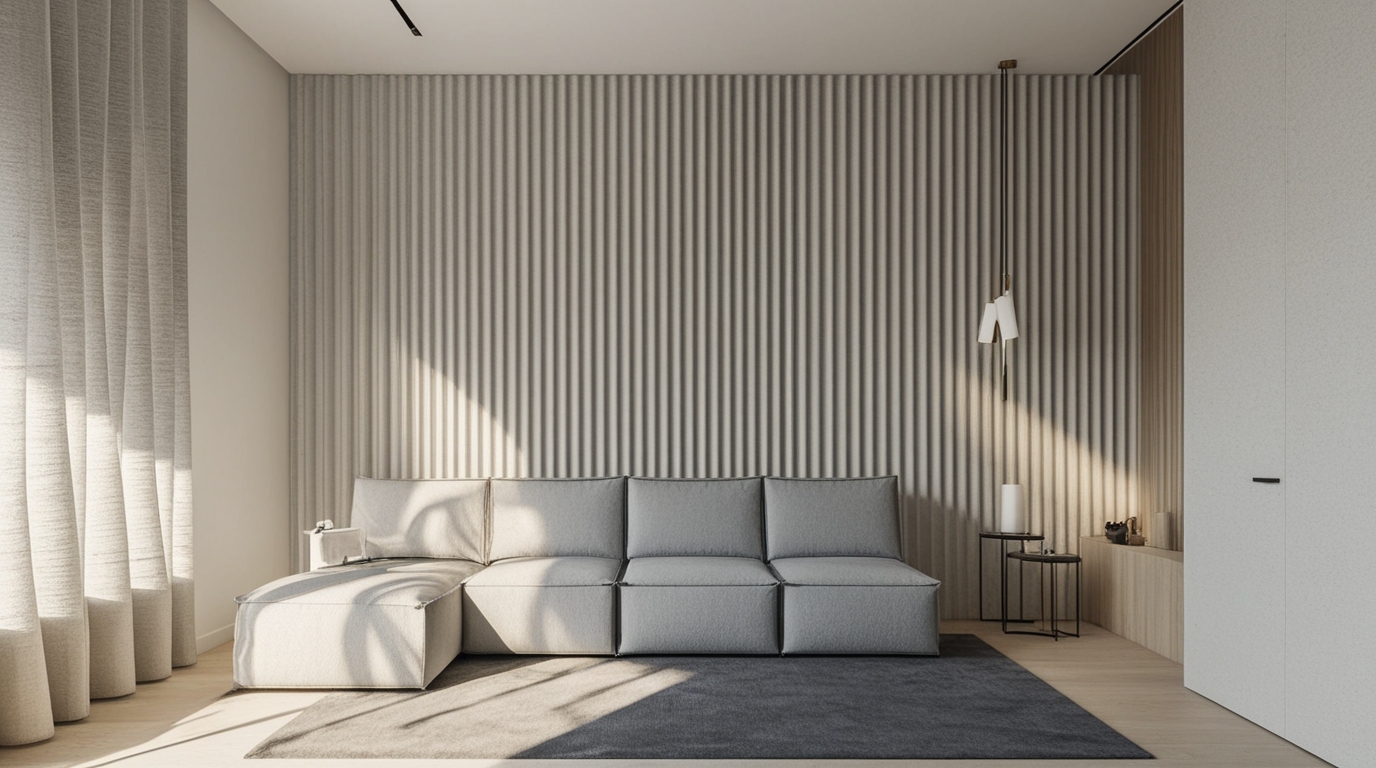
Texture has become a key part of contemporary interior design because it adds visual interest while keeping spaces minimal and uncluttered. Instead of relying heavily on décor items, homeowners now prefer textured walls that naturally create depth.
1. What Are Fluted Panels?
A fluted panel is a type of wall panel featuring continuous vertical or horizontal grooves. The repeated lines add movement to the wall and interact beautifully with natural and artificial light. These panels are commonly available in materials like MDF, wood veneer, laminates, and PVC.
2. Why Fluted Panels Are Trending
- The linear design instantly modernises a space.
- Grooves create an illusion of height or width depending on orientation.
- The pattern blends seamlessly with minimalist, Scandinavian, and luxurious interiors.
- They pair effortlessly with smooth painted walls for a balanced look.
- Multiple materials make them suitable for various budgets and rooms.
While other brands highlight fluted panels as decorative elements, this guide focuses on how Indigo Paints users can enhance them with the right paint finishes to complete the design story.
How to Combine Fluted Panels with Paint Finishes

Pairing fluted panels with paint requires an understanding of contrast, balance, and finish. When planned well, the result looks tailored and professionally designed.
1. Creating Colour Harmony
One of the simplest ways to pair a wall design panel with paint is through colour harmony.
- Light oak or beige fluted panels suit warm neutrals and earthy shades.
- Dark fluted panels pair well with soft whites, taupes, or muted pastels.
- If painting the fluted panel itself, choose a tone that creates soft contrast with adjacent walls.
This approach gives the wall panel a defined presence without overwhelming the room.
2. Painting the Fluted Panel for a Monochrome Look
Painting the fluted panel in the same shade as the rest of the walls creates a minimal, seamless aesthetic. This works especially well in spaces where subtlety is preferred over visual drama. The texture becomes the highlight rather than the colour.
3. Using Paint Finishes to Enhance Texture
Different finishes influence how the grooves appear:
- Matte finish: Softens the grooves for a sophisticated, understated look.
- Satin finish: Highlights the fluting and enhances shadows.
- Higher sheen: Works for bold colours but should be used carefully, as it may highlight imperfections in the panel.
Choosing the right finish ensures the fluted panels look intentional and refined.
4. Importance of Lighting
Texture only stands out when paired with good lighting. Wall washers, spotlights, and directional lighting all enhance the linear pattern of fluted panels. Poor lighting may cause the texture to appear flat or uneven.
Practical Installation Tips for Wall Panels and Paint

Homeowners often love the idea of fluted panels but are unsure about installation. The following guidelines ensure a clean, long-lasting finish.
1. Before Installation
- Measure the wall carefully, including any switches or cut-outs.
- Ensure the wall surface is dry and level.
- Choose material based on room conditions: MDF or wood for dry areas, PVC for wet areas such as kitchens or bathrooms.
2. During Installation
- Begin from a perfectly straight corner or reference line.
- Use strong adhesives; brad nails can add stability if needed.
- Allow for small expansion gaps when using wood or MDF.
- Ensure each fluted panel aligns perfectly with the previous one to maintain uniformity.
3. Painting Tips
- Apply primer to raw MDF or wooden fluted panels.
- Use a narrow roller or spray gun for smoother application.
- Paint the grooves slowly to avoid patchiness.
- For surrounding walls, choose paints that complement the panel’s tone and finish.
4. Maintenance Tips
- Dust grooves with a soft brush or vacuum attachment.
- Use washable paint for high-touch areas.
- Avoid harsh chemical cleaners on painted panels.
Best Rooms to Use Fluted Panels for Maximum Impact
Fluted panels work in both compact and spacious homes when used with intention.
1. Living Room

The living room is ideal for creating a statement wall using fluted panels. Behind the entertainment unit or main seating area, a textured wall adds sophistication and instantly elevates the room.
2. Bedroom

A fluted panel behind the bed creates a hotel-like feel. Pair it with soft, calming paint colours for a cosy yet modern ambience.
3. Dining Room

Even a compact dining corner can feel premium with a fluted feature wall. It also pairs well with warm lighting commonly used in dining areas.
4. Hallways and Entrances

Short stretches of fluted panels can make narrow hallways or entry foyers feel structured and stylish.
5. Kitchens and Bathrooms

Moisture-resistant PVC fluted panels work well in these areas. Pair them with durable, washable paint for a practical and stylish finish.
5. When to Use Fluted Panels Carefully
Fluted panels offer depth, but overusing them can create visual heaviness.
Avoid installing fluted panels:
- On all four walls of a small room.
- In dark corners with insufficient lighting.
- In homes with very ornate furniture or heavily patterned décor.
- In wet spaces, use non-water-resistant materials.
Being selective ensures the panels remain a design asset instead of becoming overwhelming.
Final Thoughts: Colour and Texture Work Best Together
Fluted panels bring structure, rhythm, and depth to modern interiors. When combined with the right Indigo Paints finish, they transform simple walls into focal features that elevate the entire room. From subtle monochromatic looks to bold texture-and-colour contrasts, this trend offers endless possibilities for homeowners and designers.


