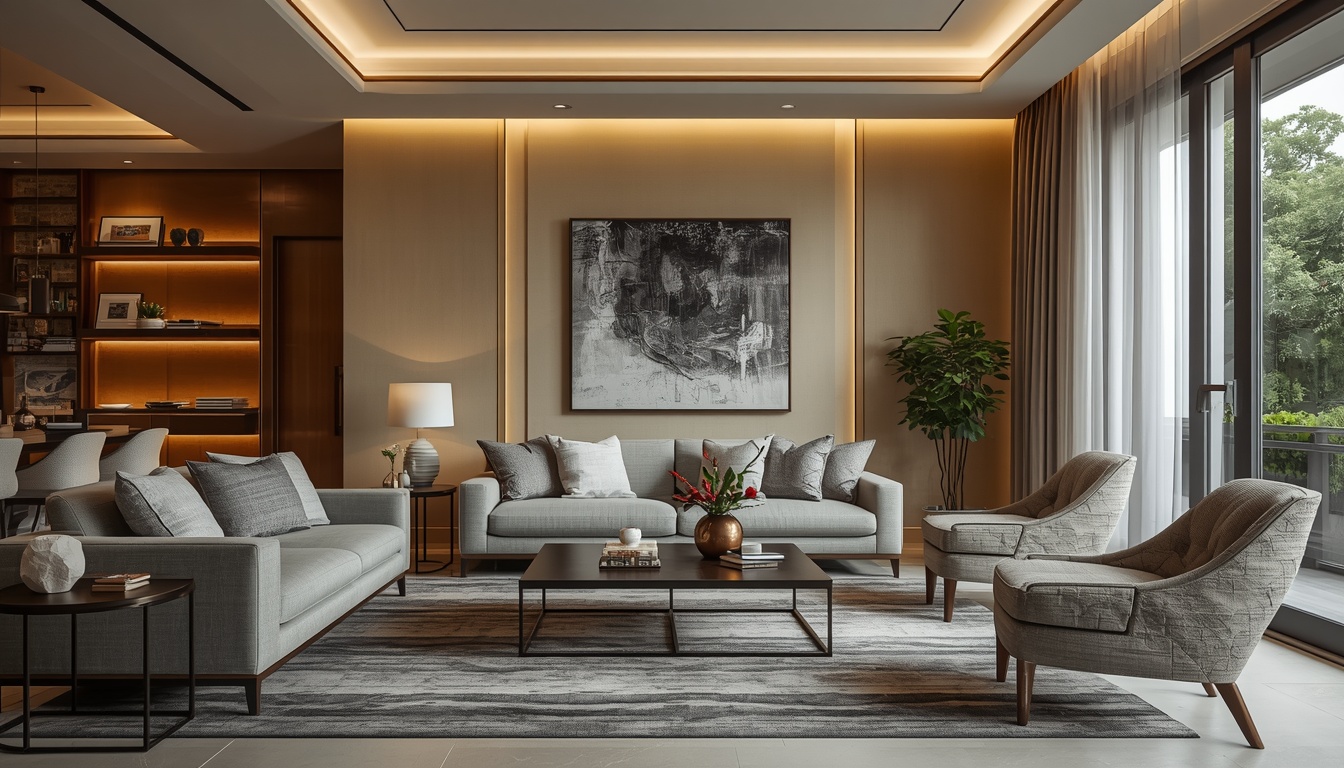

Brown is often associated with warmth, comfort, and timeless elegance. However, many homeowners hesitate to use it indoors because of the fear that it may make spaces look heavy or dark. When styled correctly, Brown Colour Combinations can create interiors that feel rich, balanced, and inviting rather than dull or enclosed.

The key lies in selecting the right shades, pairing them thoughtfully, and using finishes that enhance light reflection. With well-planned colour choices and high quality Brown Colour Combinations, brown can become one of the most versatile colours for modern interiors.
Why brown needs careful styling indoors

Brown is a grounding colour, which means it visually anchors a space. While this makes it ideal for creating cosy and elegant interiors, excessive use of dark brown shades can absorb light and reduce openness. This is especially true in compact homes or rooms with limited natural light.
Effective Brown Colour Combinations focus on balance. Lighter supporting shades, strategic placement, and controlled contrast ensure the space remains bright while still benefiting from brown’s warmth.
Use light brown shades as a base

One of the easiest ways to introduce brown without darkening a room is to start with lighter brown or beige tones. Shades like Studio Taupe (5-1-2) work well as primary wall colours, offering warmth without heaviness.
When paired with ceilings or adjacent walls in Rice Paper (5-6-1), the space feels open and airy. This Brown Colour Combination is ideal for living rooms and bedrooms where comfort and brightness need to coexist.
Pair brown with off-whites and soft neutrals

Brown looks best when balanced with light neutrals that reflect light. Using off-whites and soft creams prevents the space from feeling enclosed.
Walls in Cavern Sand (4-9-4) paired with trims or secondary walls in Chantilly (4-10-1) create a clean and elegant interior. This combination works well in homes with wooden furniture, as it maintains visual harmony without overwhelming the room.
Such Brown Colour Combinations are especially effective in open-plan living and dining areas.
Use darker browns only as accents

Dark brown shades should be used sparingly and strategically. Instead of painting all walls, reserve deeper tones for accent walls, niches, or lower sections.
An accent wall in Oakleaf Brown (5-3-5) behind a sofa or bed adds depth and sophistication. When balanced with lighter surrounding walls in Spun Silk (5-4-2), the space feels structured rather than heavy.
This approach allows Brown Colour Combinations to feel rich without dominating the room.
Balance brown with warm complementary tones

Brown pairs well with warm complementary shades such as soft peaches and muted tans. These colours soften the overall look and add visual interest.
For example, walls in Painted Desert (5-1-3) combined with a feature section in Delicate Peach (4-2-1) create a warm and welcoming environment. This Brown Colour Combination works particularly well in family rooms and lounges where a relaxed atmosphere is desired.
Let lighting enhance brown colour combinations

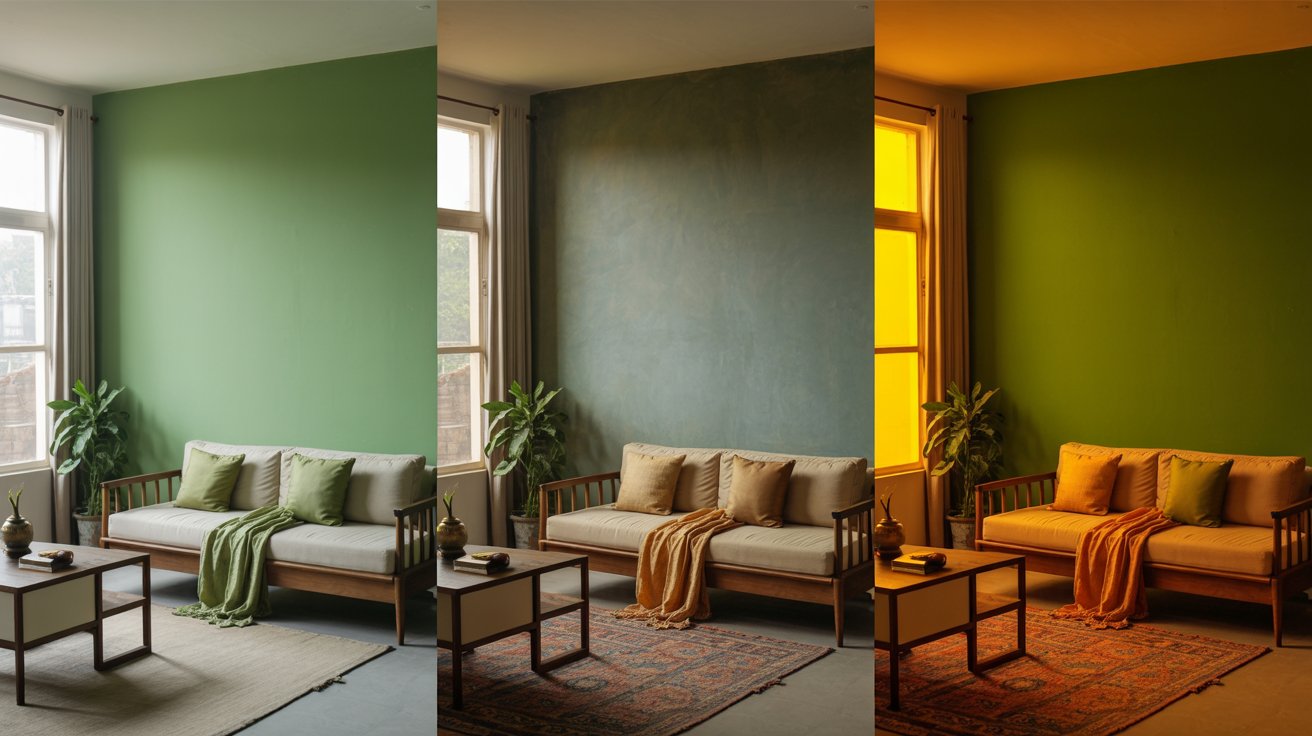
Lighting plays a crucial role in how brown appears indoors. Natural light brings out brown’s warmth, while poor lighting can make it appear dull.
In rooms with limited daylight, pair brown shades with reflective finishes and lighter colours. A combination of River Walk (5-2-2) on walls with accents in Spun Silk (5-4-2) helps bounce light around the room, keeping it visually open.
Choosing the right lighting ensures Brown Colour Combinations look intentional and refined.
Use brown on the lower sections for visual grounding

Another effective technique is to use brown on lower wall sections while keeping upper walls lighter. This grounds the space and creates a sense of stability without enclosing it.
Lower walls in Cinna Swirl (5-2-5) paired with upper walls in Rice Paper (5-6-1) provide a balanced look that feels modern and spacious. This style works well in dining rooms, corridors, and larger living areas.
Practical tips for styling brown colour combinations

- Always balance brown with lighter shades
- Avoid using dark browns on all four walls
- Test colours under both daylight and artificial lighting
- Use brown on accent walls or lower sections for control
- Ensure furniture and flooring complement the wall colours
These tips help Brown Colour Combinations remain stylish and comfortable rather than overpowering.
Final thoughts
When used thoughtfully, Brown Colour Combinations can transform interiors into warm, elegant, and timeless spaces. The secret lies in balance, pairing brown with lighter neutrals, using darker shades sparingly, and selecting finishes that enhance light. With the right approach and durable interior emulsions, brown becomes a powerful design choice that adds depth without making spaces look dark.