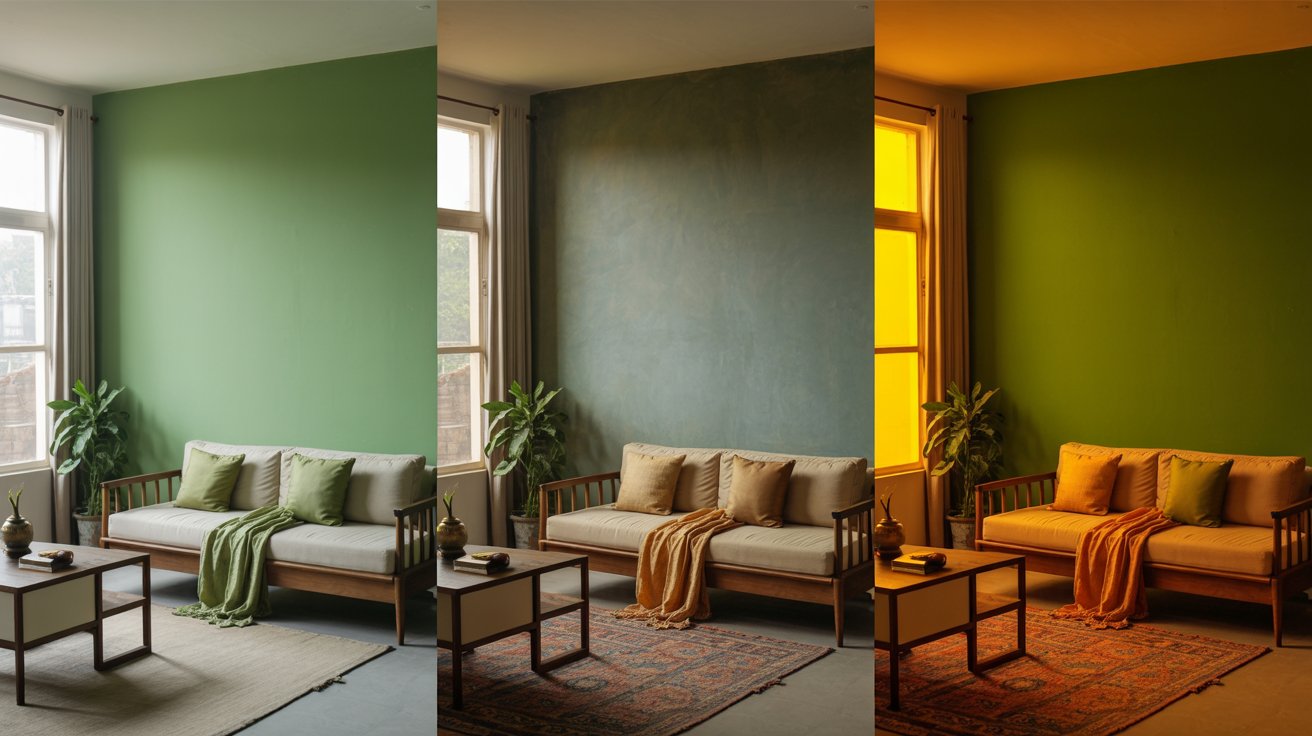


Dark rooms often suffer from limited natural light, awkward layouts or shaded surroundings, making them feel smaller and less inviting. The right paint colour, however, can dramatically change how these spaces look and feel.
Among the most effective choices are teal and turquoise paint shades, which bring brightness, depth and calm without overwhelming the room.
This guide explains why teal and turquoise work so well in dark rooms and how to use them correctly to enhance light, space and mood.
Why Are Teal and Turquoise Good Colours for Dark Rooms?

Teal and turquoise sit between blue and green on the colour spectrum, giving them a rare balance of freshness and warmth.
They work well in dark rooms because they:
- Reflect available light better than deep blues or forest greens
- Create a sense of openness due to their cool undertones
- Add colour and character without making spaces feel heavy
Unlike plain whites or greys, these shades bring life into low-light rooms while still keeping the atmosphere calm and comfortable.
Do Teal and Turquoise Make a Room Look Brighter?

Yes, when chosen correctly, teal and turquoise can make a dark room look noticeably brighter.
Here’s how:
- Mid-tone turquoise reflects artificial and natural light evenly
- Teal adds depth without absorbing too much light
- Blue-green undertones help visually push walls outward
The result is a room that feels more open, balanced and visually lighter.
How to Choose the Best Teal or Turquoise Paint Shade for a Dark Room
Not all teal and turquoise shades behave the same in low-light spaces. The key is selecting tones that enhance brightness rather than mute it.
Look for These Characteristics:
- Softer or warmer undertones instead of grey-heavy blues
- Mid-light intensity rather than very dark or heavily saturated shades
- Clean pigments that stay fresh under artificial lighting
Always Test Before Painting:
Paint sample patches and observe them:
- In daylight (if available)
- Under evening lights
- With the room lights switched on and off
This ensures the shade performs well throughout the day.
Where Should You Use Teal or Turquoise Paint in a Dark Room?
Strategic placement matters just as much as colour choice.
1. Accent Walls That Reflect Light

Use teal or turquoise on a wall facing or adjacent to a light source. This helps bounce light back into the room while creating a focal point.
2. Ceilings in Light Turquoise

A soft turquoise ceiling visually lifts the room, making it feel taller and airier — especially useful in compact spaces.
3. Balanced Full-Wall Applications

If painting all walls, choose lighter teal or turquoise shades and pair them with light ceilings and trims to avoid visual heaviness.
Which Paint Finish Works Best in Dark Rooms?
The paint finish plays a major role in how light behaves.
Best finishes for dark rooms include:
- Eggshell – subtle sheen that reflects light softly
- Satin – brighter reflection with a smooth, elegant look
Matt finishes absorbing light and is better suited to well-lit rooms. For dark spaces, a slight sheen improves brightness without glare.
What Colours Pair Well With Teal and Turquoise in Low-Light Spaces?
To maximise the brightening effect, pair teal and turquoise with lighter, warmer elements.
Good combinations include:
- Warm whites and off-whites
- Soft greys with beige undertones
- Light wood finishes
- Natural textures like linen, cane and jute
Metallic accents in brass or muted gold also add warmth and visual sparkle.
How to Style a Dark Room Painted in Teal or Turquoise
Paint sets the foundation, but styling completes the transformation.
- Use mirrors to reflect both natural and artificial light
- Choose sheer curtains instead of heavy drapes
- Add layered lighting (ceiling + wall + table lamps)
- Keep furniture finishes light to medium in tone
These elements prevent the room from feeling enclosed.
Is Teal or Turquoise Suitable for Every Room?
Yes, with the right shade and balance.
Living Rooms
Teal adds elegance and warmth, especially when paired with light furnishings.
Bedrooms
Soft turquoise promotes calm and works well for feature walls behind beds.
Home Offices
Teal supports focus without feeling cold or clinical.
Bathrooms
Turquoise reflects light beautifully and creates a fresh, open feel in small spaces.
Common Mistakes to Avoid When Using Teal and Turquoise
- Choosing shades that are too dark for low-light rooms
- Relying only on digital previews instead of wall tests
- Ignoring the role of lighting and paint finish
- Using bold colour without balancing with neutrals
Avoiding these ensures the colour enhances the space rather than dominating it.
Key Takeaways: Using Teal and Turquoise to Brighten Dark Rooms
- Teal and turquoise are among the best paint colours for dark rooms
- Mid-tone, warm-leaning shades perform best in low light
- Placement, finish and lighting are just as important as colour
- Balanced styling keeps rooms bright, calm and welcoming
- Indigo Paints can help homeowners compare undertones and finishes effectively, making it easier to test how teal and turquoise shades perform in different lighting conditions
With thoughtful choices, teal and turquoise can transform dark, enclosed spaces into rooms that feel open, fresh and full of life — making them a smart, stylish option for modern interiors.