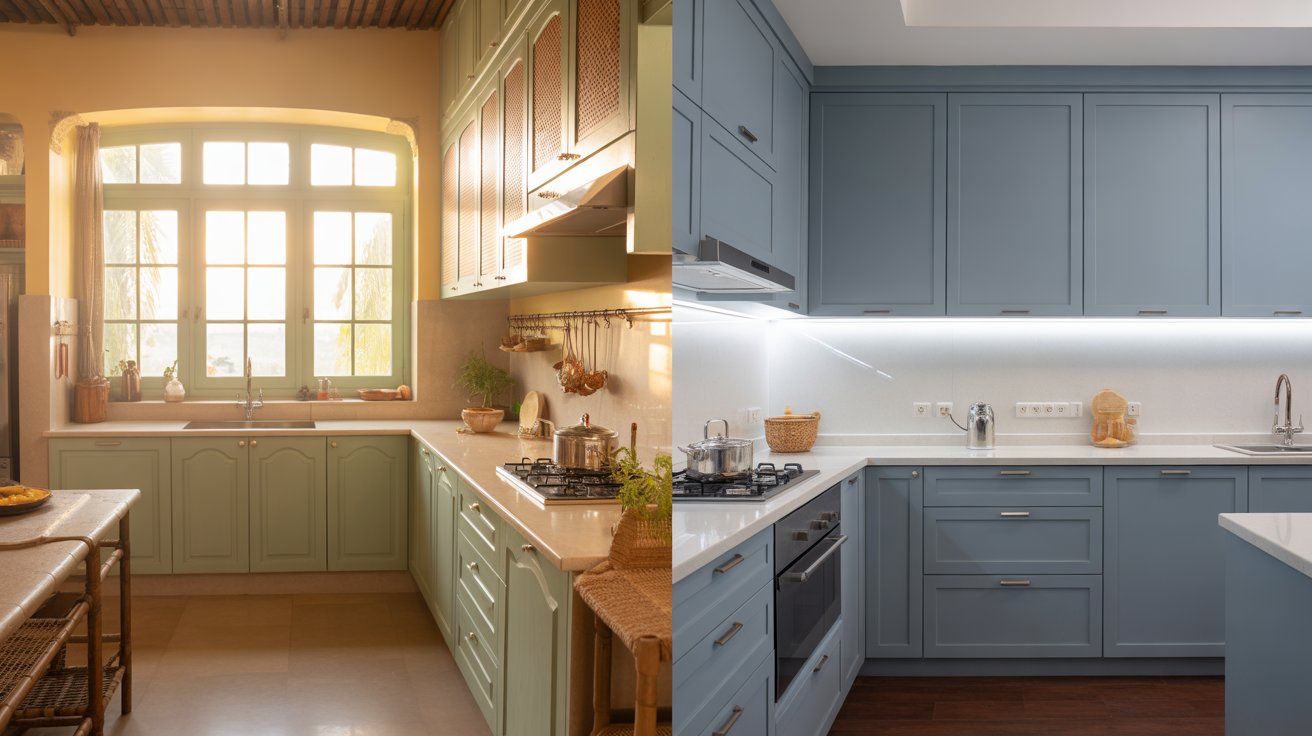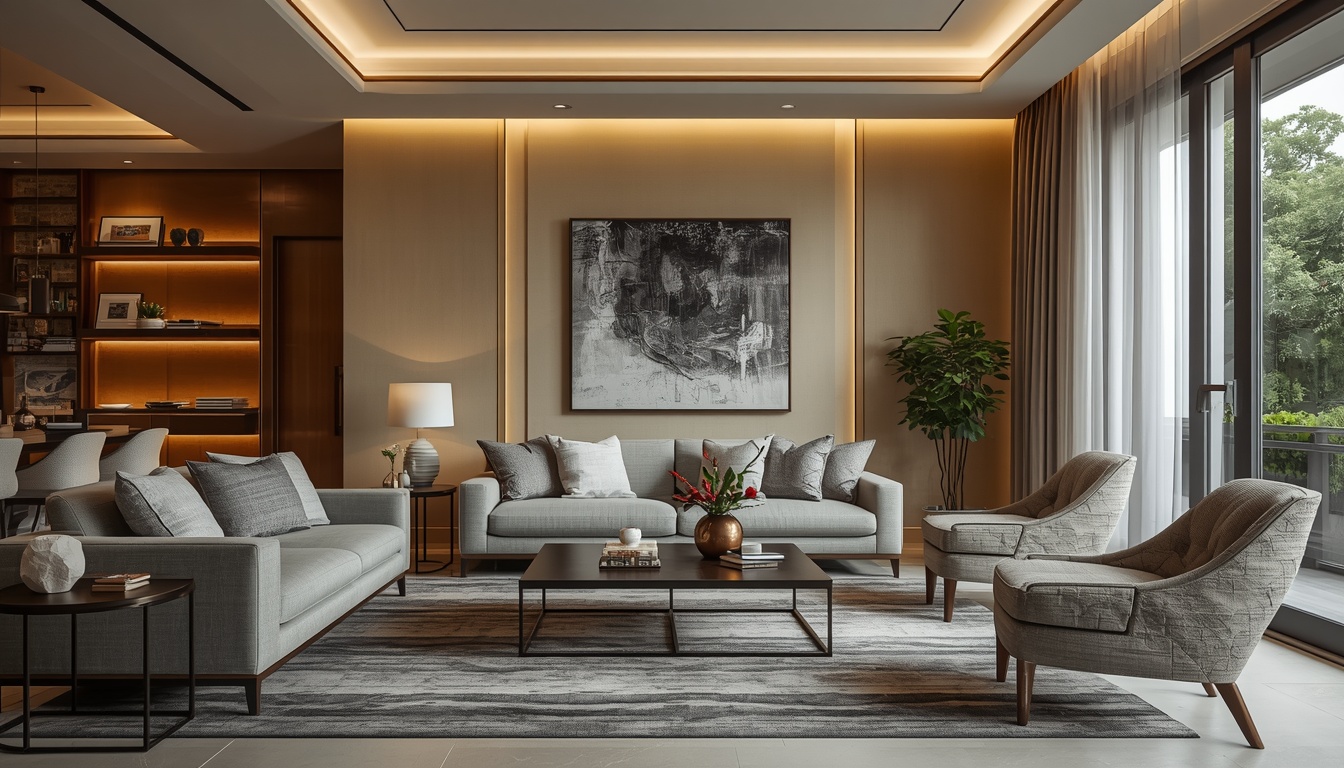

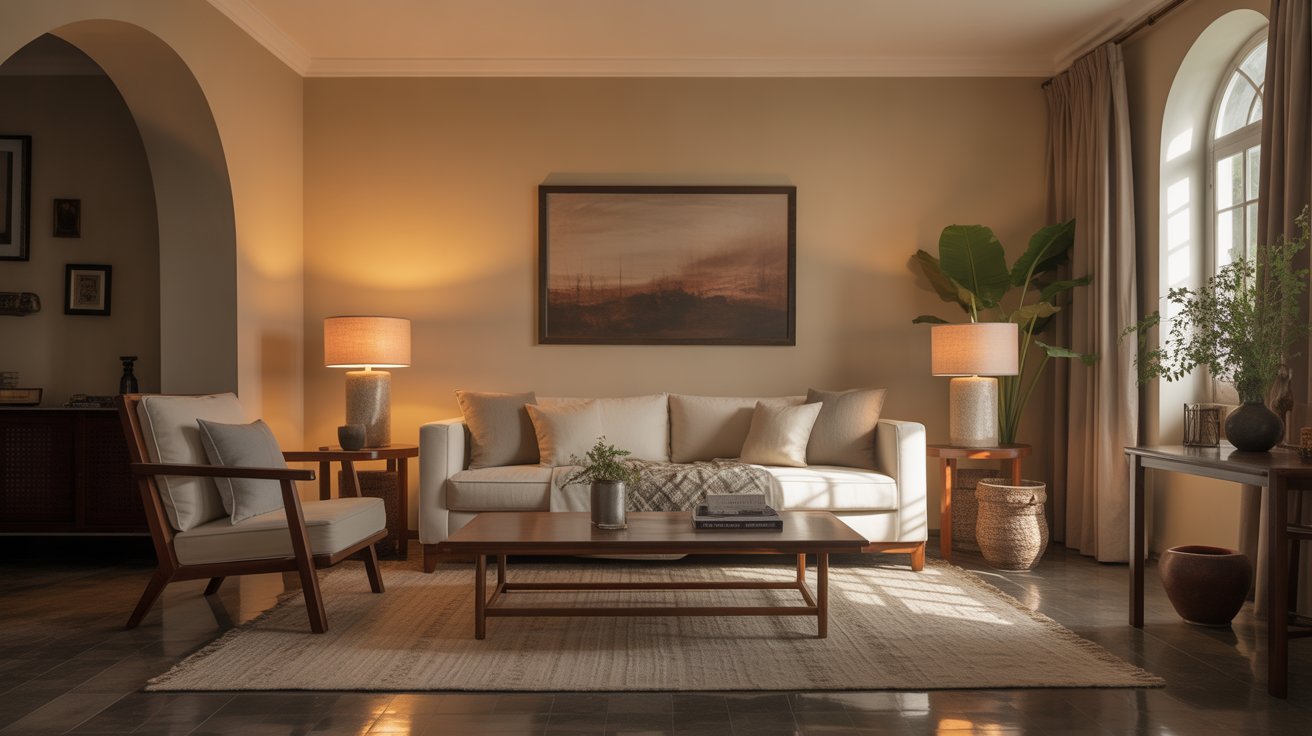
Choosing the right paint colour is not only about personal style or current trends. The direction a room faces can completely change how colours appear, and this is especially true for north-facing rooms in Indian homes.
Many homeowners struggle with north-facing spaces that feel dull, cold, shadowy, or visually flat despite good furniture and décor. In most cases, the issue is not the room itself; it is the colour palette being used.
North-facing rooms receive softer, cooler natural light than south or west-facing rooms. While this light is consistent throughout the day, it often lacks warmth, which affects how paint colours look on the walls. A shade that appeared bright and elegant in a showroom may suddenly look muted or grey once applied in a north-facing room.
This is why such spaces need a different colour strategy.
Why North-Facing Rooms Feel Cooler
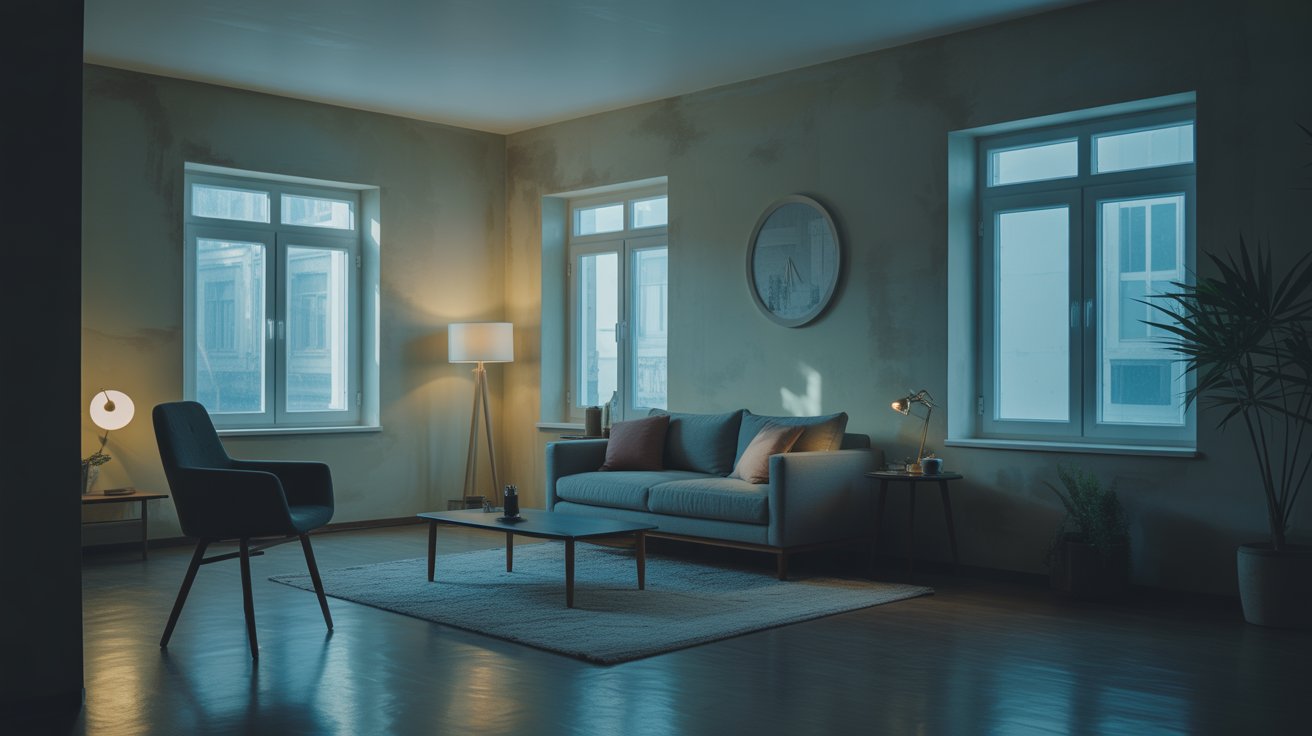
In Indian homes, north-facing rooms usually receive indirect sunlight for most of the day. The light entering these rooms tends to be softer and cooler, especially in apartments surrounded by nearby buildings or during cloudy monsoon months.
As a result:
- White shades may look grey
- Cool colours can feel dull
- Dark colours may appear heavier
- Rooms can seem smaller or less inviting
This effect becomes even stronger in compact urban apartments with limited natural ventilation and artificial lighting.
The Most Common Colour Mistake
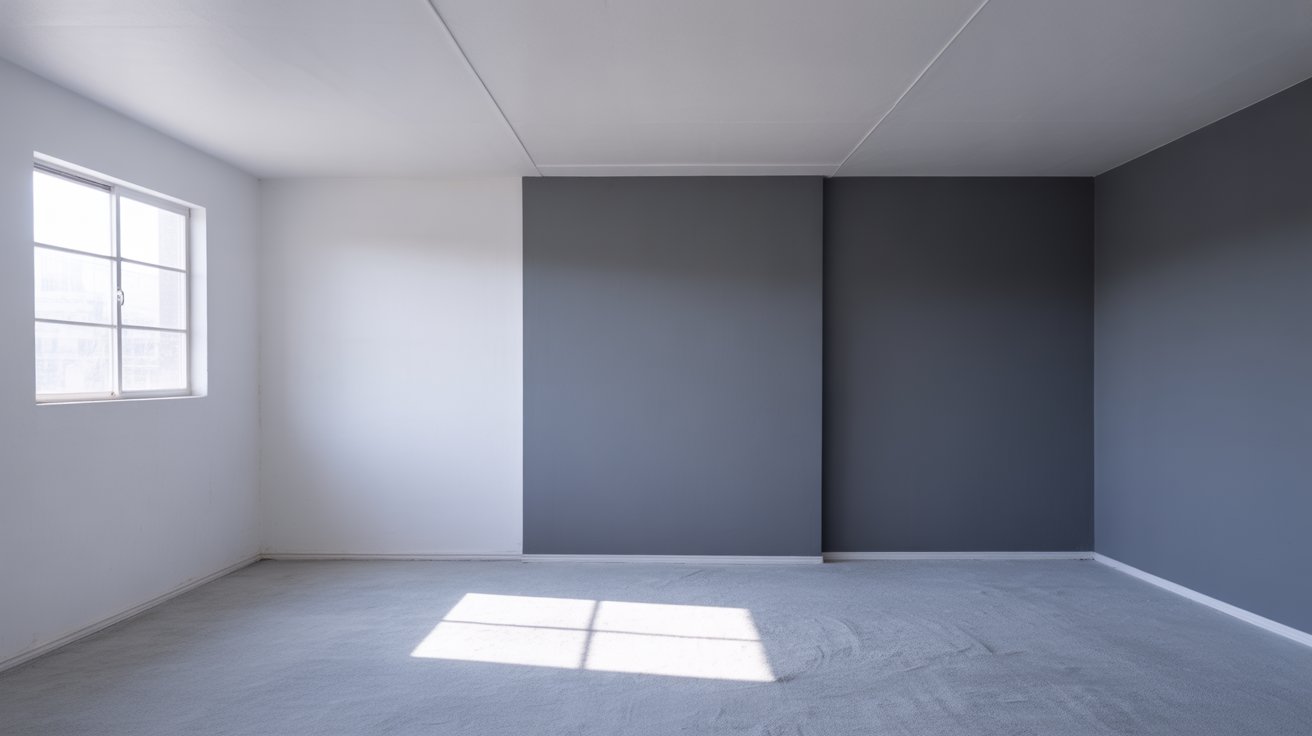
One of the biggest mistakes homeowners make is choosing cool-toned paints to brighten the room.
Colours like:
- Icy grey
- Bright white
- Steel blue
- Cool beige
- Charcoal
Often, north-facing rooms feel colder and less welcoming because cool light naturally enhances cool undertones in paint.
Instead of making the room look modern and airy, these shades can create a flat or clinical atmosphere.
Why Warm Undertones Work Better
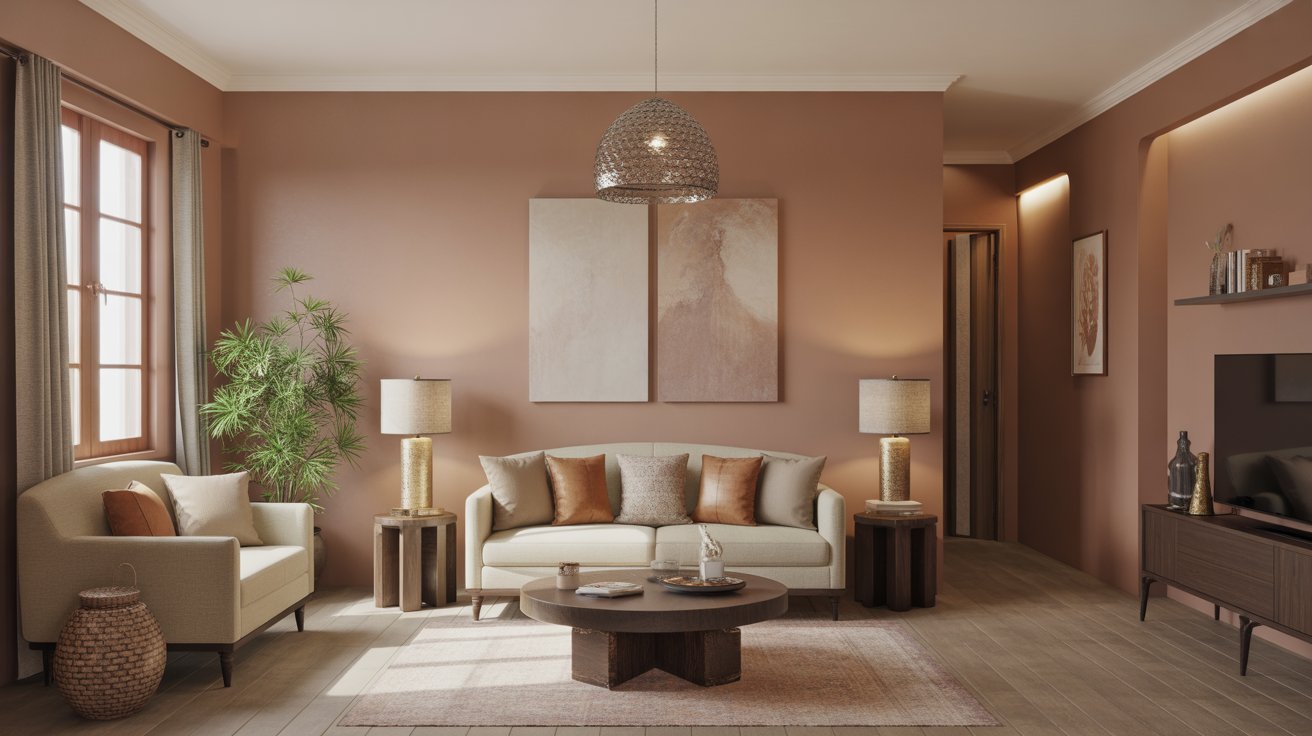
The best way to balance a north-facing room is by introducing warmth through undertones rather than using extremely bright colours.
Warm shades help counteract the coolness of the natural light and create a softer, more comfortable environment.
Some of the best options include:
- Warm beige
- Creamy off-white
- Soft greige
- Mushroom taupe
- Dusty olive
- Muted terracotta
- Soft peach neutrals
These shades reflect available light better while still maintaining warmth and depth.
Why Pure White Is Not Always the Best Choice
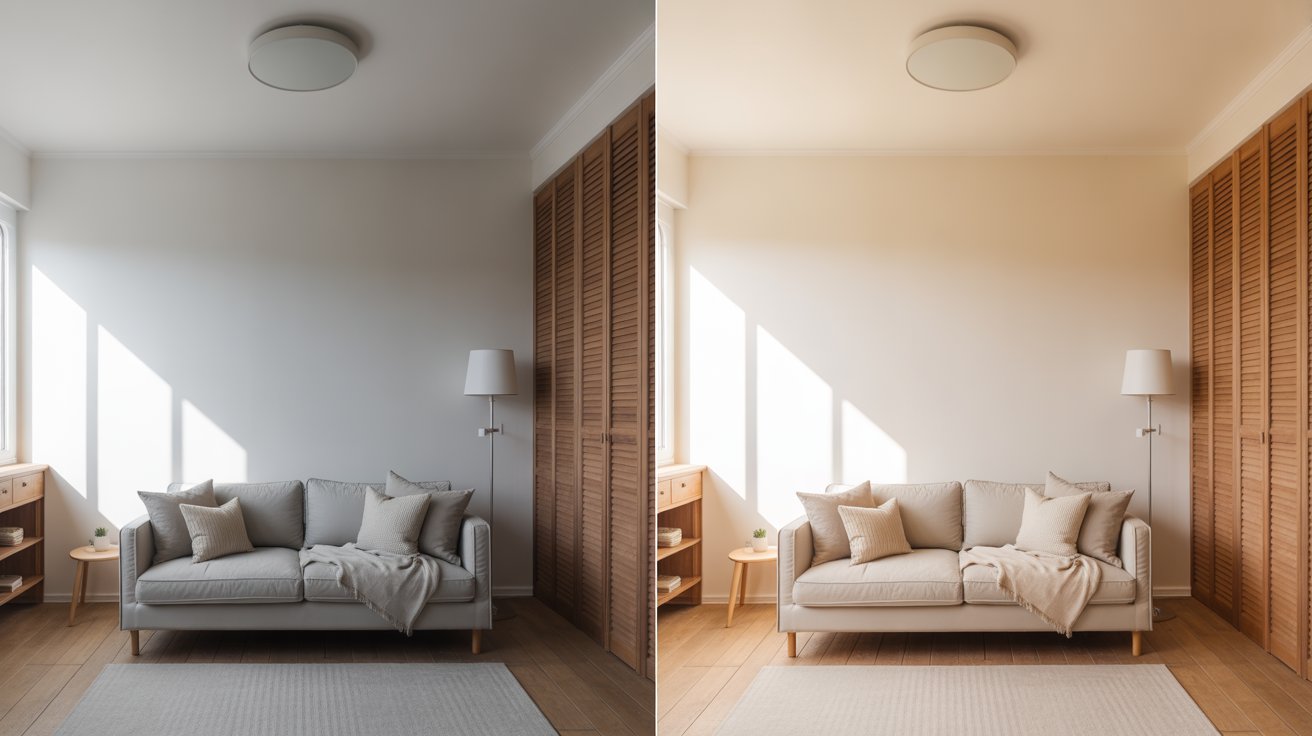
Many people assume white is the safest option for rooms with limited light. However, pure white walls in north-facing spaces can often appear cold and lifeless.
Instead of brightening the room, stark white may:
- Highlight shadows
- Looks dull during cloudy weather
- Feel too sterile under LED lights
Softer alternatives usually work much better, such as:
- Ivory
- Linen white
- Almond white
- Warm cream
- Off-white with beige undertones
These shades maintain brightness while adding visual warmth.
Lighting Makes a Big Difference
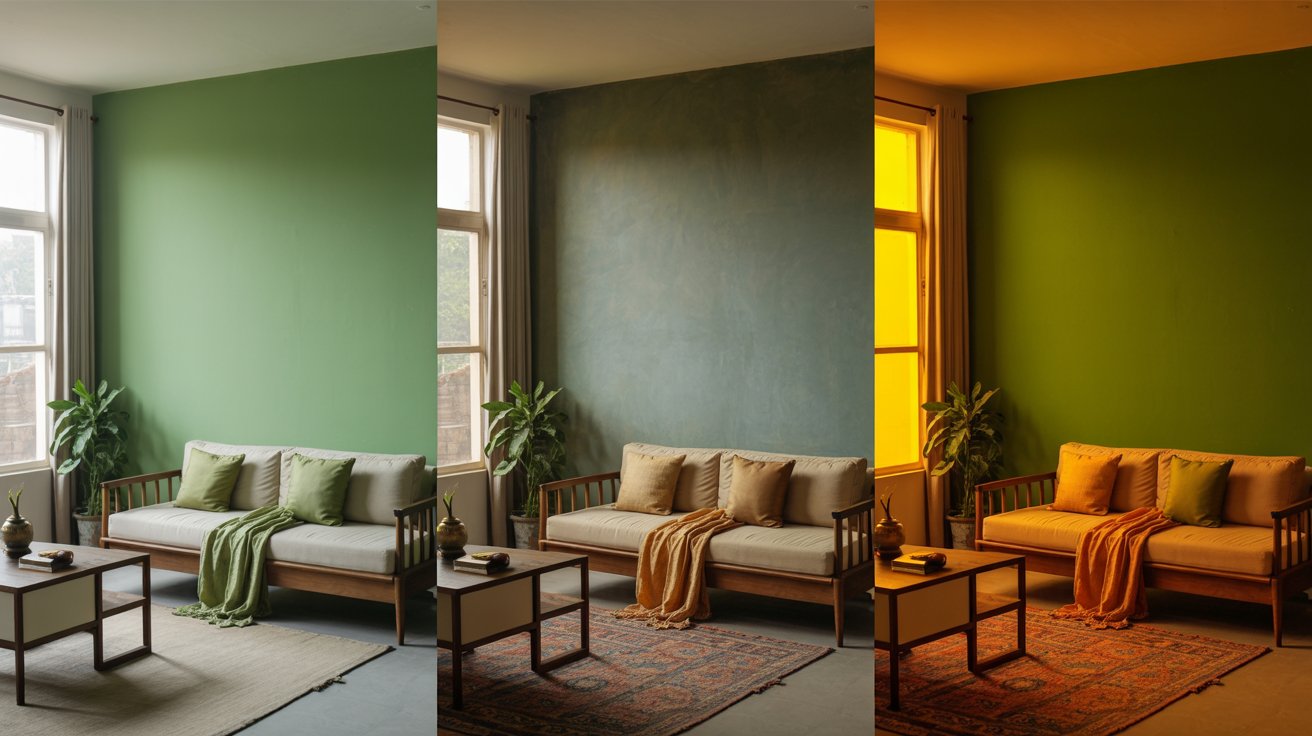
Lighting plays a major role in how colours behave in north-facing rooms. In Indian homes, colours often look different depending on:
- Daylight levels
- Monsoon weather
- Window size
- Artificial lighting
- Floor level in apartments
A paint shade that looks perfect during the day may appear too cool at night under white LED lights.
This is why testing paint swatches directly on the wall is important before finalising a colour. Observe the shade during different times of the day to see how it reacts to changing light conditions.
Can Dark Colours Work?
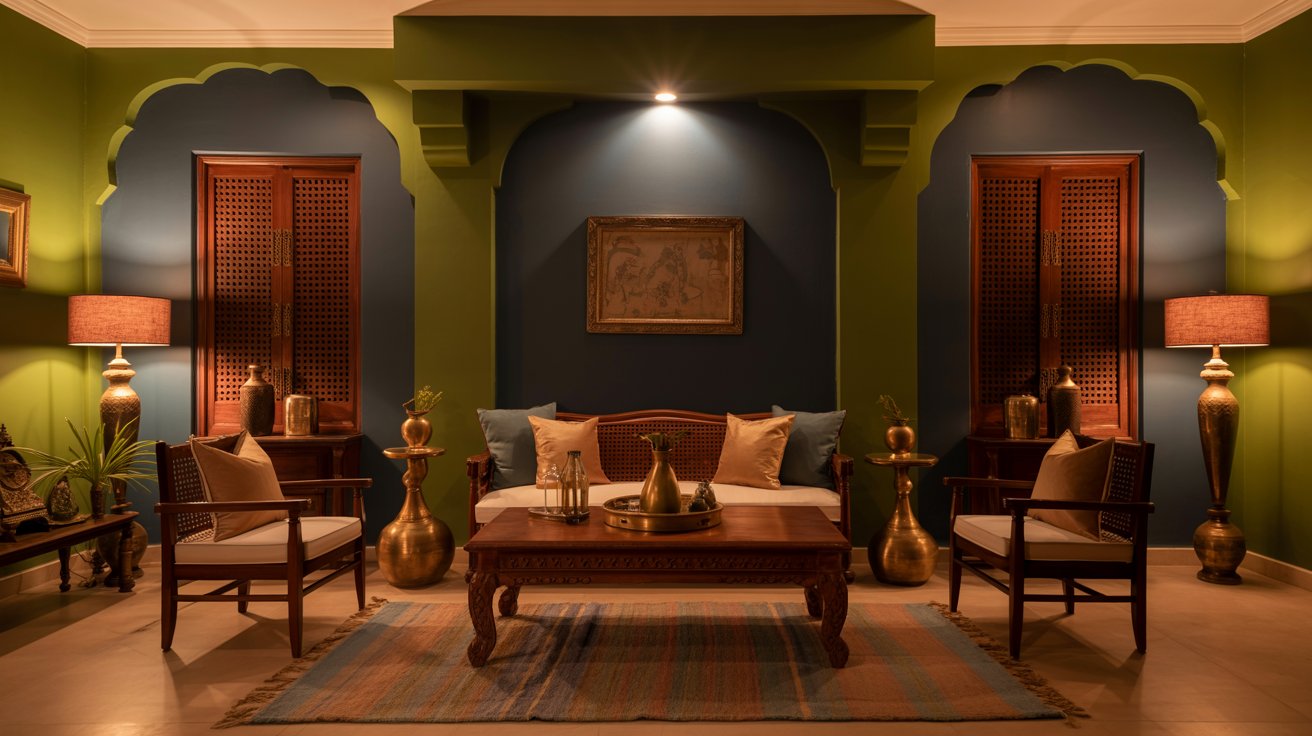
Dark shades can work in north-facing rooms, but they require careful balance.
Colours like deep green, charcoal, navy, or dark brown may absorb too much light in smaller spaces, making the room feel heavier. However, in larger rooms with layered lighting and warm décor, darker shades can create a cosy and sophisticated look.
To make dark colours work better:
- Pair them with warm lighting
- Add wooden textures
- Use lighter furniture or curtains
- Include reflective surfaces for balance
In most compact Indian homes, mid-tone earthy shades are a safer, more versatile choice.
The Best Colour Families for North-Facing Rooms
Warm Neutrals
These are timeless, practical, and easy to style.
Good choices include:
- Sand beige
- Warm greige
- Taupe
- Creamy neutrals
Earthy Greens
Muted greens add freshness without making the room feel cold.
Examples:
- Sage green
- Olive mist
- Eucalyptus tones
Soft Terracotta Tones
Earth-inspired shades help add warmth and character, especially in living rooms and dining spaces.
Dusty Peach and Blush Neutrals
These colours softly reflect light and create a comfortable atmosphere without feeling too bright.
Final Thoughts
North-facing rooms are not difficult spaces; they simply respond differently to light. The key is understanding how cooler natural light affects colour perception.
Instead of choosing overly cool or stark shades, homeowners should focus on colours with warm undertones that bring balance, softness, and brightness into the space. Thoughtful lighting, the right paint finish, and carefully selected earthy tones can completely transform how a north-facing room feels.
With the right approach, even rooms that once felt dull or shadowy can become warm, elegant, and inviting. Thoughtfully chosen shades from Indigo Paints can help create interiors that feel both practical and visually harmonious in Indian homes.