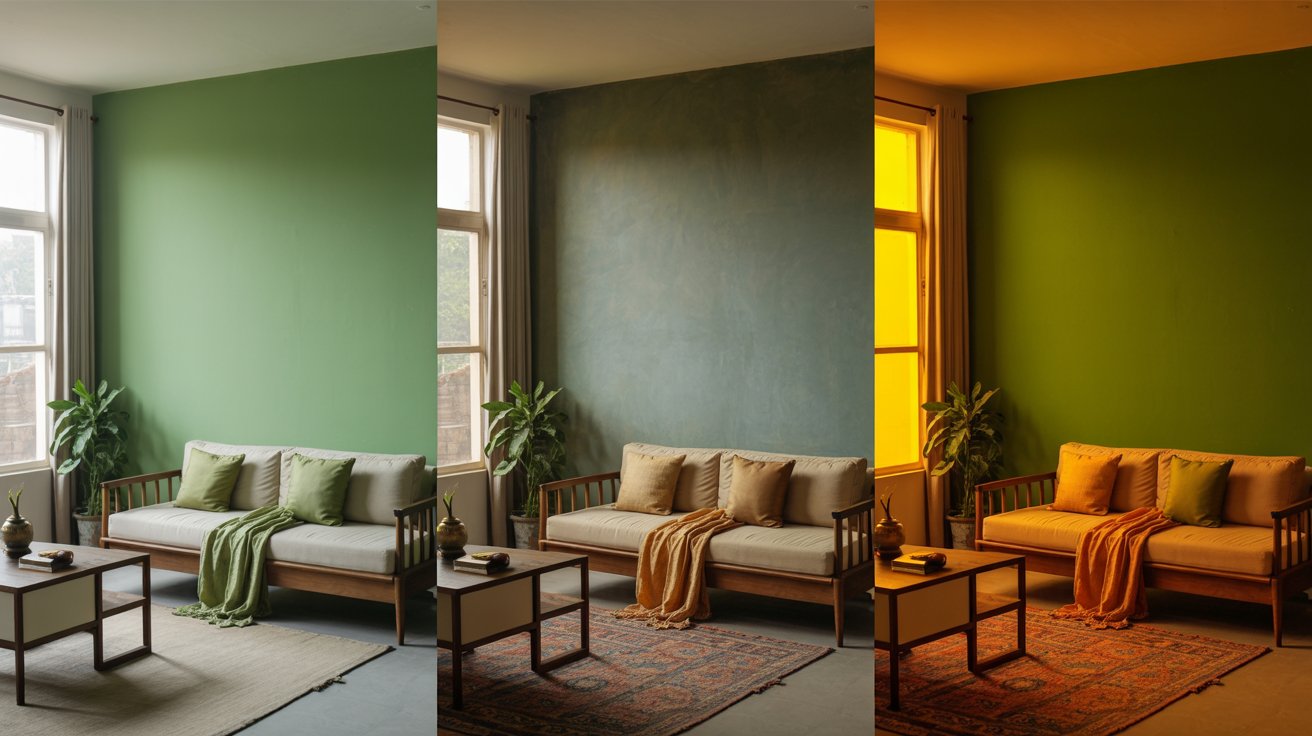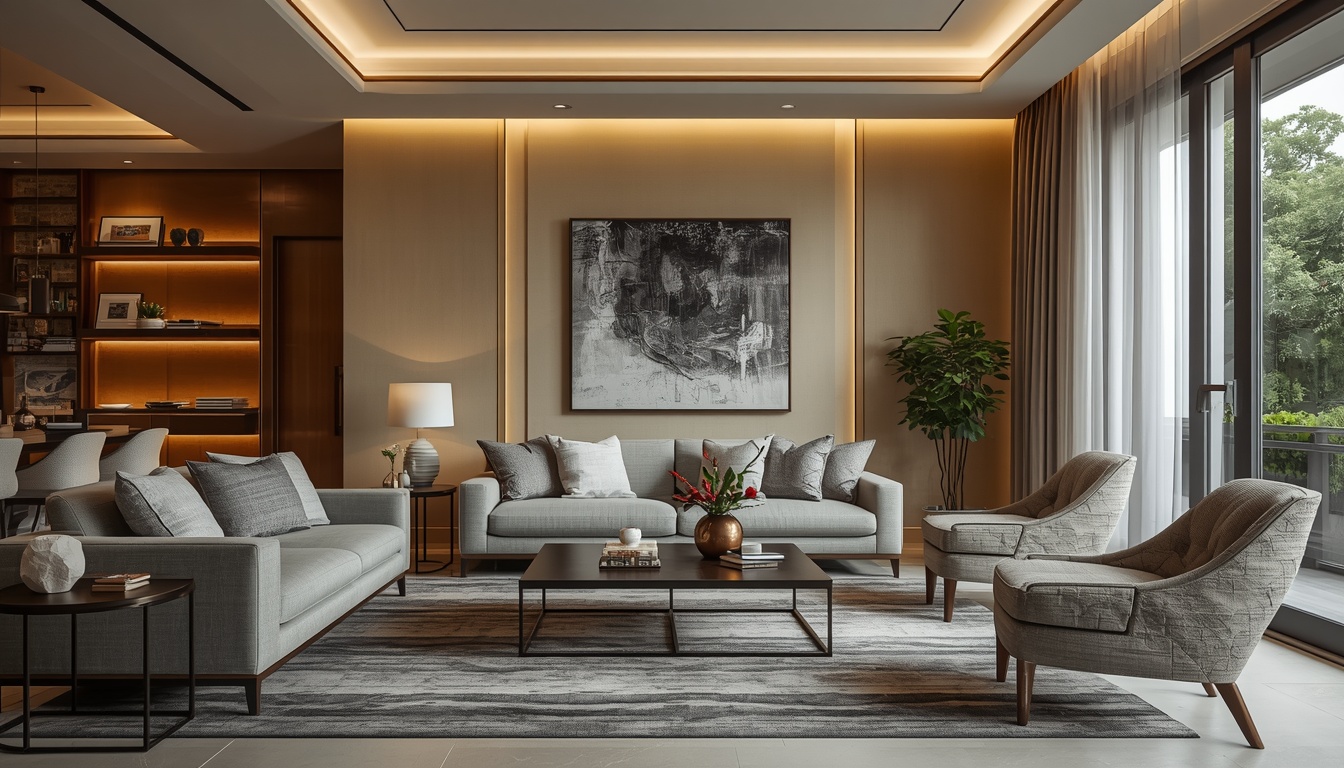

 When homeowners choose colours for their interiors, they often follow a simple rule: pick shades that match the overall style of the home. While this may work for bedrooms and living rooms, the kitchen is an entirely different space, especially in Indian homes. Treating it like any other room can lead to colour choices that quickly look dull, impractical, or visually overwhelming.
An Indian kitchen is one of the busiest and hardest-working spaces in a home. It experiences constant heat, steam, oil splatters, spice stains, humidity, and frequent cleaning. From deep frying and tadkas to pressure cooking and everyday meal preparation, the environment inside an Indian kitchen is far more demanding than in most other rooms. Because of this, kitchen walls require a different colour strategy, one that balances aesthetics with practicality.
Why the Indian Kitchen Needs a Different Approach
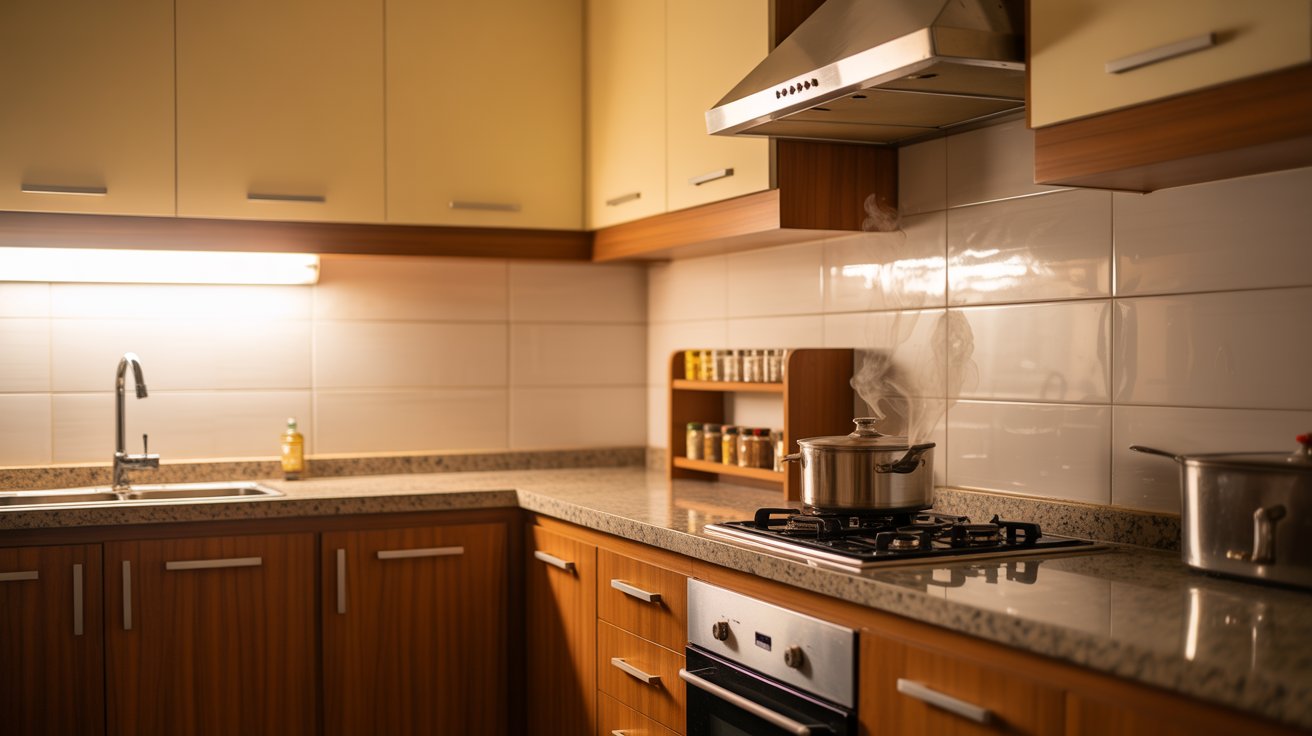
Unlike bedrooms or living spaces, kitchens are functional environments where colour must perform as well as look good. Kitchen walls are constantly exposed to:
- Steam and moisture
- Smoke and oil particles
- Turmeric and masala stains
- Heat from cooking appliances
- Frequent wiping and scrubbing
- Changing lighting conditions throughout the day
These factors directly affect how colours appear and age over time.
A shade that looks elegant in a living room may quickly start looking greasy or patchy in a kitchen. Similarly, dark colours that create drama in bedrooms can make compact kitchens feel smaller and hotter. This is why kitchen colour selection should never be based only on trends or personal preference.
Instead, it should consider:
- Lighting
- Kitchen size
- Cooking habits
- Maintenance needs
- Climate conditions
- Existing materials like tiles and cabinets
The Psychology of Colour Works Differently in Kitchens
The kitchen is a sensory space. It is associated with warmth, food, movement, and family interaction. Colours in this environment influence not only the look of the room but also the mood and comfort of the people using it.
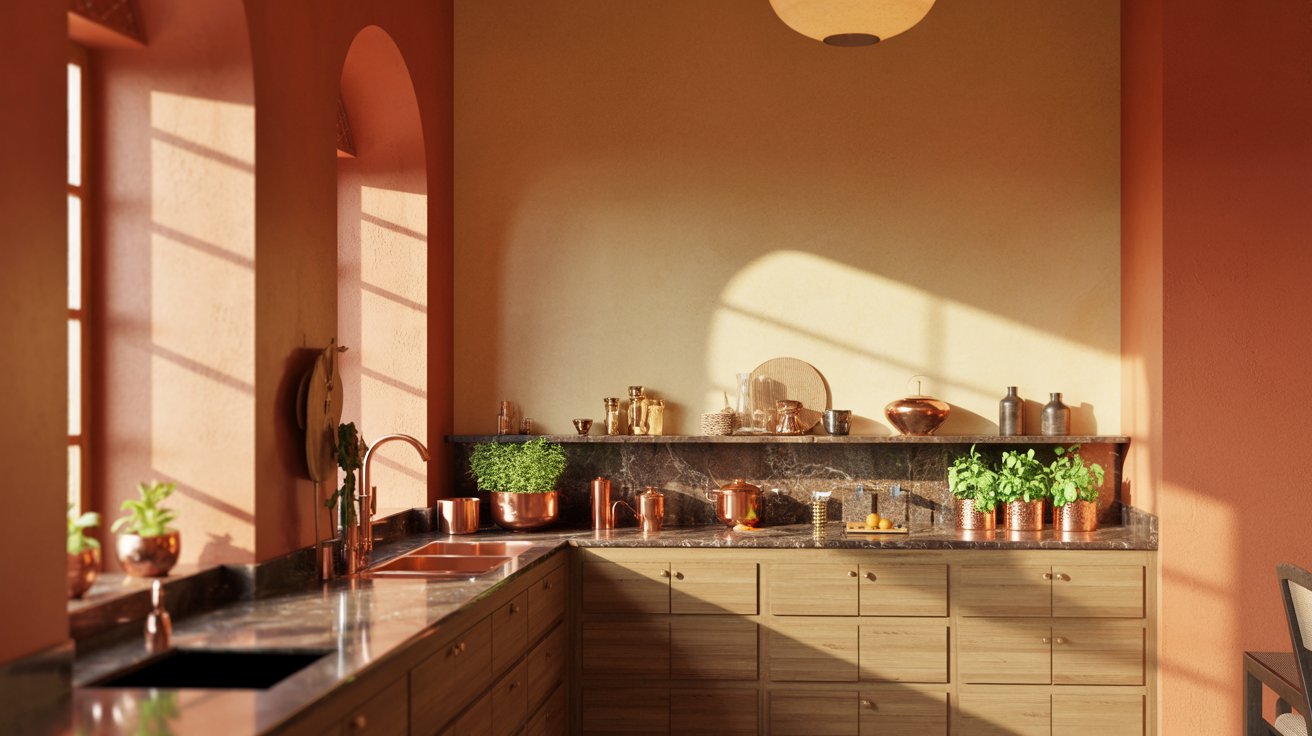
Warm colours generally work well in kitchens because they create a welcoming atmosphere. Soft earthy shades such as terracotta, muted peach, warm beige, or clay-inspired tones often feel inviting without becoming visually overpowering.
However, there is a difference between warmth and excessive brightness.
Many homeowners assume bright red, orange, or yellow kitchens will feel energetic, but in reality, these shades can become overwhelming in Indian kitchens that are already visually busy. Compact apartment kitchens with strong LED lighting can especially feel cluttered and stressful with highly saturated colours.
Instead, softer and balanced tones tend to work better, including:
- Sage green
- Warm beige
- Creamy off-whites
- Dusty olive
- Mushroom taupe
- Soft terracotta
- Muted blue-grey
These shades create warmth and freshness while remaining easier on the eyes.
Why Pure White Kitchens Often Fail in Indian Homes
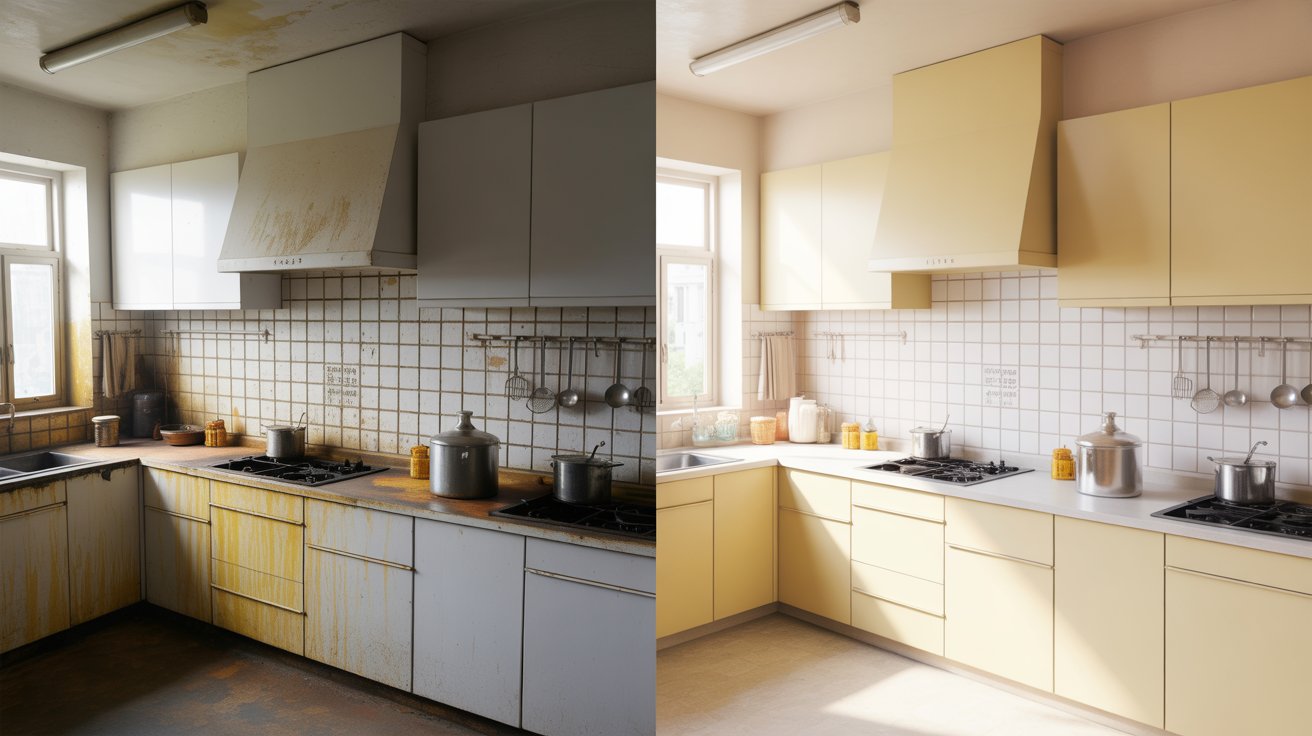
White kitchens are extremely popular on social media and in international interior trends. While they look clean and minimal in photographs, they are not always practical for Indian cooking environments.
In real Indian kitchens, pure white walls can quickly reveal:
- Oil splashes
- Fingerprints
- Smoke residue
- Spice stains
- Uneven ageing
Over time, cooking fumes can also make bright white surfaces appear yellowish or dull.
That does not mean light kitchens should be avoided. Instead of stark white, homeowners can choose softer alternatives like:
- Ivory
- Linen white
- Cream
- Rice white
- Warm off-white
These shades maintain brightness while hiding daily wear more effectively.
Lighting Has a Huge Impact on Kitchen Colours
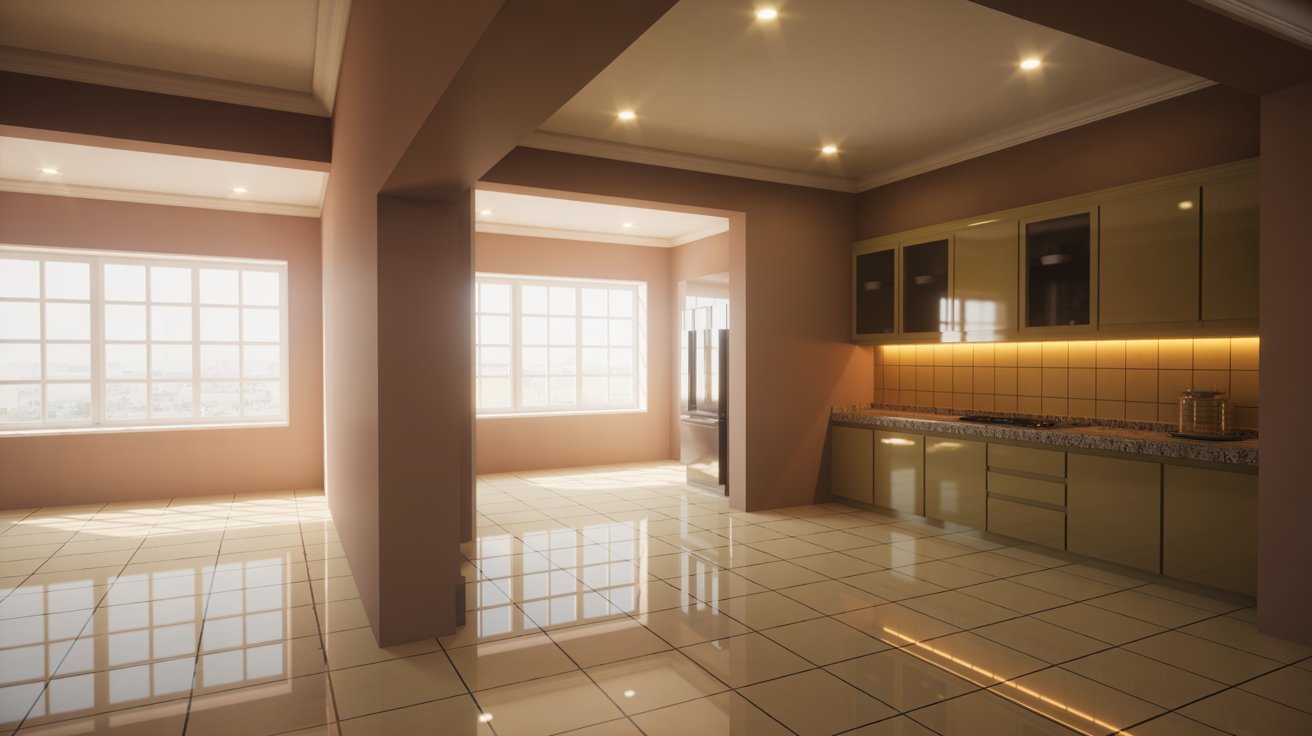
Lighting affects every room, but it becomes especially important in kitchens. Many Indian kitchens combine multiple light sources, including:
- Ceiling LEDs
- Under-cabinet lighting
- Natural daylight
- Reflections from glossy tiles and countertops
This can dramatically change how colours appear throughout the day.
In smaller urban apartments where kitchens receive limited natural light, cool-toned shades like icy grey or stark white can feel dull and lifeless. Warm neutrals usually perform better because they make the space feel brighter and more comfortable.
For kitchens with strong sunlight, homeowners can experiment more confidently with deeper earthy tones like olive green, dusty blue, or muted terracotta without making the room feel dark.
Kitchen Size Should Influence Colour Choices
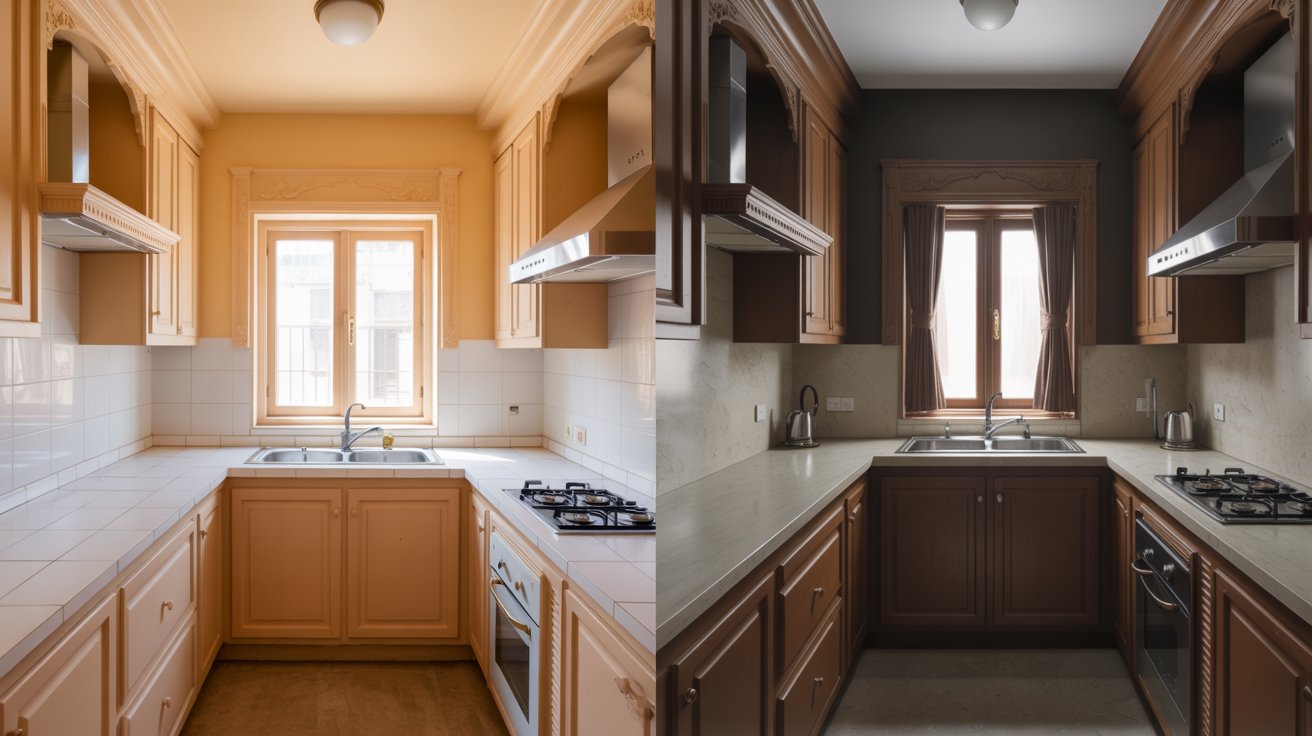
Many Indian kitchens are compact, particularly in apartments and city homes. Colour plays a major role in how spacious these kitchens feel.
Lighter shades help reflect light and create a sense of openness, making them ideal for smaller kitchens. Warm neutrals and soft, earthy tones are especially effective because they prevent the space from feeling too cold or clinical.
Dark colours can work beautifully, but they require careful planning. Deep shades like charcoal, navy, or dark olive are better suited for:
- Larger kitchens
- Open-plan layouts
- Spaces with strong natural light
- Homes with minimal visual clutter
Using dark colours in small enclosed kitchens without sufficient lighting can make the room feel cramped.
The Paint Finish Is Just as Important as the Colour
One of the most common kitchen painting mistakes is focusing only on colour while ignoring paint finish. In kitchens, the finish determines how easily walls can be cleaned and maintained.
Since Indian kitchens require regular wiping, washable finishes are essential.
The most suitable options usually include:
- Satin finish
- Soft sheen emulsion
- Washable low-sheen paints
These finishes offer better stain resistance and durability compared to flat matte paints, which can absorb stains more easily.
A slightly reflective finish also helps brighten the space by bouncing light around the room.
Open Kitchens Need a Balanced Colour Palette
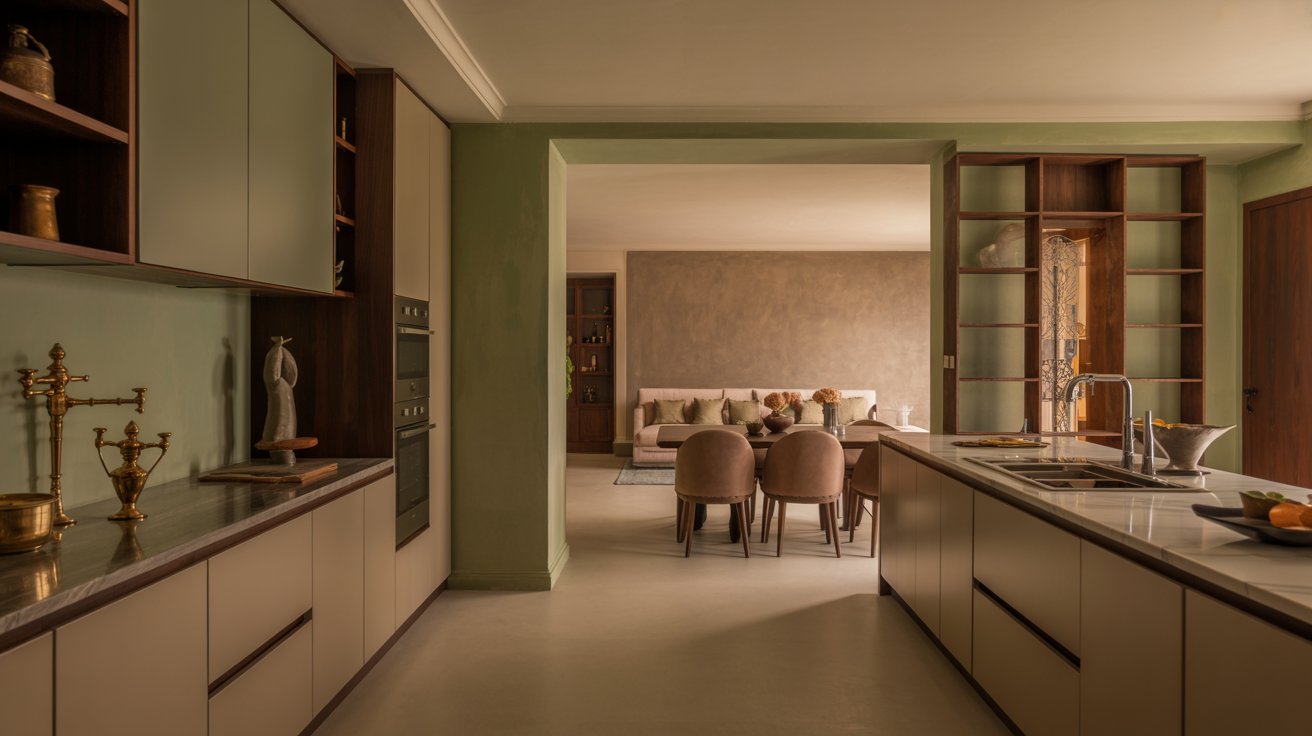
Modern Indian homes increasingly feature open kitchens connected to dining or living areas. This changes the role of kitchen colours completely.
The kitchen now needs to:
- Blend visually with nearby spaces
- Remains practical for cooking
- Avoid looking too industrial or too decorative
This is where transitional shades work best.
Colours like greige, warm taupe, muted green, and earthy neutrals create continuity between the kitchen and living spaces while maintaining warmth and sophistication.
Overly thematic kitchen colours can disrupt the overall harmony of the home.
Climate Also Affects Kitchen Colour Performance
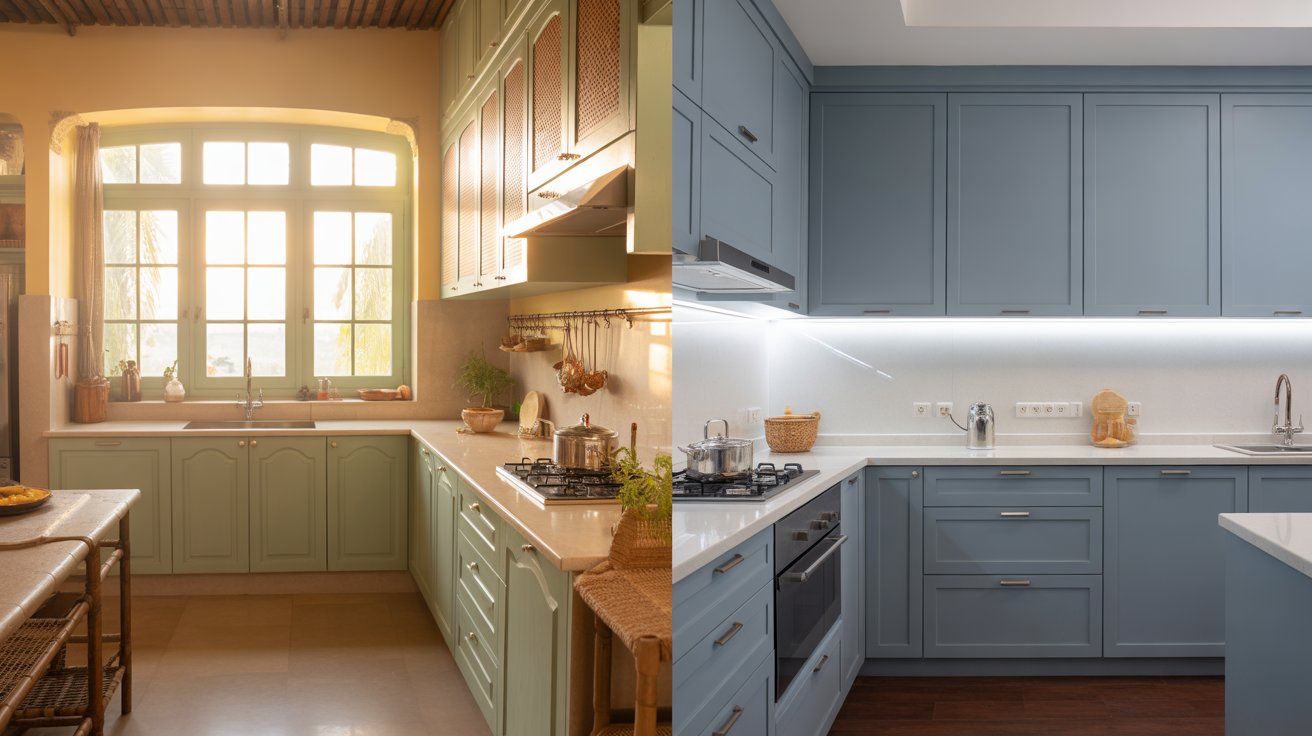
India’s diverse climate conditions influence how colours feel inside a kitchen.
In humid coastal cities like Mumbai or Chennai, dark kitchens may feel heavy during monsoon months. Lighter, earthy shades often work better because they maintain freshness despite cloudy weather.
In hotter northern regions, excessively warm colours may visually intensify heat. Softer greens, beige tones, and muted earthy shades usually create a cooler and more balanced atmosphere.
This is why the climate should always be considered before finalising a kitchen palette.
Final Thoughts
The Indian kitchen is unlike any other room in the home. It is a high-functioning space exposed to heat, moisture, stains, lighting changes, and constant activity every single day. Because of this, it deserves a completely different colour strategy.
The best kitchen colours are not simply trendy or visually attractive. They should also support comfort, brightness, maintenance, and practicality. A thoughtful palette can make a kitchen feel cleaner, calmer, larger, and more enjoyable to use over time.
By considering lighting, cooking habits, climate, and everyday functionality alongside aesthetics, homeowners can create a kitchen that not only looks beautiful but also performs beautifully in real life. With the right shades, finishes, and planning, Indigo Paints can help transform Indian kitchens into spaces that feel both practical and welcoming every day.